By Our Correspondent
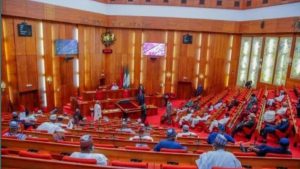
National News – No fewer than 10 governors and former governors across Nigeria are intensifying efforts to secure Senate tickets ahead of the 2027 general elections, triggering a major political shake-up.
The move, driven by those completing their second terms by May 29, 2027, reflects a growing trend where state leaders leverage control of party structures to influence candidate selection through consensus arrangements.
The development follows a directive by President Bola Tinubu, who reaffirmed that governors remain key decision-makers in determining party candidates within their states.
This stance came after lawmakers from the National Assembly sought automatic return tickets but were declined.
Governors such as Seyi Makinde, Babajide Sanwo-Olu, and Dapo Abiodun are among those linked to the Senate race.
In several states, incumbents are stepping down or facing pressure to withdraw, as party stakeholders rally behind preferred candidates.
In Yobe State, Senator Musa Mustapha withdrew from the race to support Governor Mai Mala Buni, while in Imo State, Governor Hope Uzodimma emerged as a consensus candidate despite opposition from Senator Osita Izunaso and former governor Rochas Okorocha.
Similarly, in Ogun State, a clash has erupted between Abiodun and Senator Gbenga Daniel over the Ogun East seat.
Elsewhere, zoning arrangements in Gombe State have sidelined Senator Danjuma Goje, while in Delta State, former governor Ifeanyi Okowa is positioned to challenge Senator Ned Nwoko with backing from key stakeholders.
The pattern shows how consensus politics, often avoiding competitive primaries, is reshaping Nigeria’s political landscape.
Critics argue it undermines internal democracy, while supporters claim it ensures party unity and strategic positioning ahead of the elections.
As 2027 approaches, the battle for Senate seats highlights the struggle for influence, continuity, and control within Nigeria’s evolving democratic system.