Did You Know?
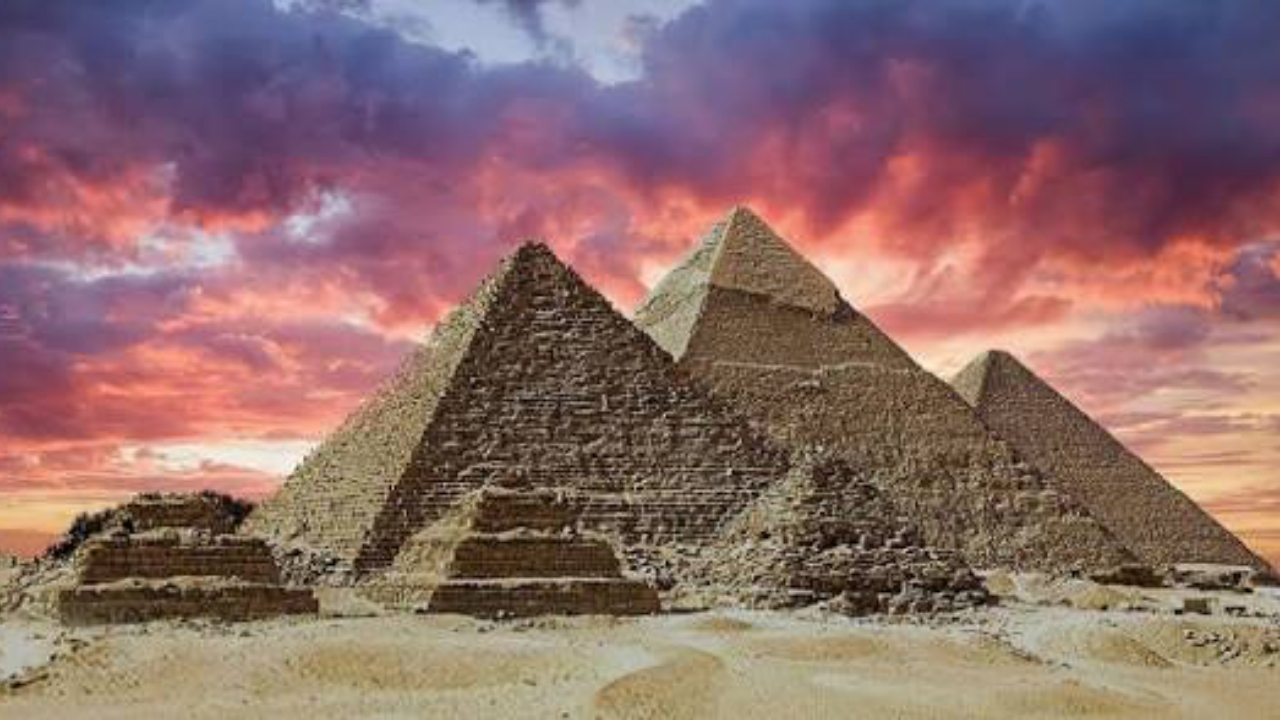
The Great Pyramid of Giza, one of the most iconic wonders of the ancient world, continues to fascinate historians, archaeologists, and travelers alike.
Located on the Giza Plateau in Egypt, this monumental structure was built over 4,500 years ago during the reign of Pharaoh Khufu.
It consists of an astounding 2.3 million limestone and granite blocks, with each block weighing an average of 2.5 tons.
Experts believe that thousands of skilled laborers and engineers worked for decades to construct the pyramid, demonstrating incredible precision and advanced engineering techniques for its time.
Researchers continue to explore the pyramid’s hidden chambers and passageways, revealing potential secret treasures and burial sites that have remained untouched for millennia.
Theories range from wooden sledges and ramps to more sophisticated systems involving counterweights.
The pyramid’s internal layout also raises questions about ancient Egyptian beliefs in the afterlife, as its design includes the King’s Chamber, Queen’s Chamber, and Grand Gallery, each with unique architectural features.
Tourists from around the world flock to Giza to witness this engineering marvel firsthand, while ongoing studies aim to uncover more about its construction methods, purpose, and the people behind it.
The Great Pyramid of Giza’s allure lies not only in its size and age but also in the mysteries it holds about ancient Egyptian civilization.
Modern technology, including 3D scanning and thermal imaging, is helping uncover previously hidden details, offering a glimpse into one of history’s most remarkable architectural feats.
Now, you know.
National News