By Our Correspondent
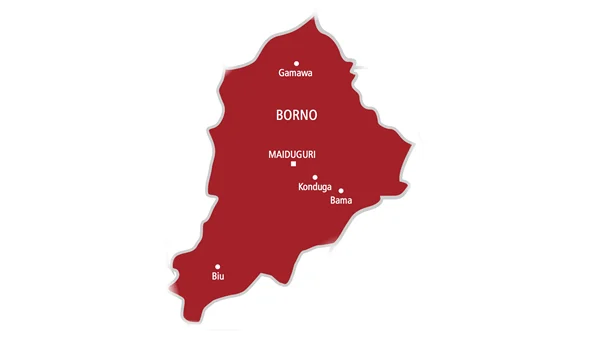
Over 300 residents of Ngoshe in Gwoza Local Government Area of Borno State are reportedly being subjected to slavery following a Boko Haram attack on March 4, 2026.
The terrorist group, Jama’atu Ahlis Sunna Lidda’awati wal-Jihad, claimed responsibility for the abduction and threatened to convert the victims into slaves, as confirmed in a video statement by the insurgent leader.
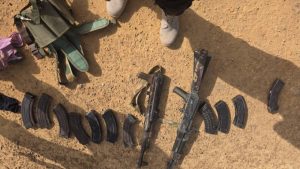
On March 5, local reports indicated that Boko Haram fighters attacked a military base in Ngoshe, overwhelming soldiers and terrorizing the community.
ASP Nahum Daso, the Borno State Police Command spokesperson, confirmed that an unknown number of civilians were killed or abducted, with many reportedly taken toward the Mandara Mountains.
In the insurgents’ video, the group’s leader declared, “We have conquered Ngoshe, slaughtered men and women, and enslaved others.
It was Almighty Allah’s command to enslave them and take them with us.” He further stated the intention to claim Ngoshe as part of their province and conduct religious activities there.
Shuaibu Dabawa, Ngoshe’s District Secretary, said over 300 residents were abducted during the attack, with many fleeing into the bush for safety.
Borno State Commissioner for Information and Internal Security, Usman Tar, said efforts are ongoing to verify the exact number of missing persons.
He confirmed that displaced victims are receiving humanitarian aid, including rice, millet, sugar, and blankets, while healthcare officials are deployed to prevent disease outbreaks.
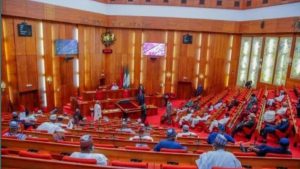
Senator Ali Ndume, representing Borno South, called on President Bola Tinubu to regularly update Nigerians on efforts to combat insurgency and improve security.
Ndume urged coordinated military operations in Lake Chad, Sambisa Forest, and the Mandara Mountains, and recommended establishing air component centres in northern Nigeria to enhance aerial security operations.
He also stressed the need for frontloading security agencies’ budgets to enable rapid procurement of arms and resources to counter insurgents effectively.
Despite delayed military intervention, Ndume commended the Nigerian Army’s response and urged a more proactive strategy to prevent future attacks.