By Our Correspondent
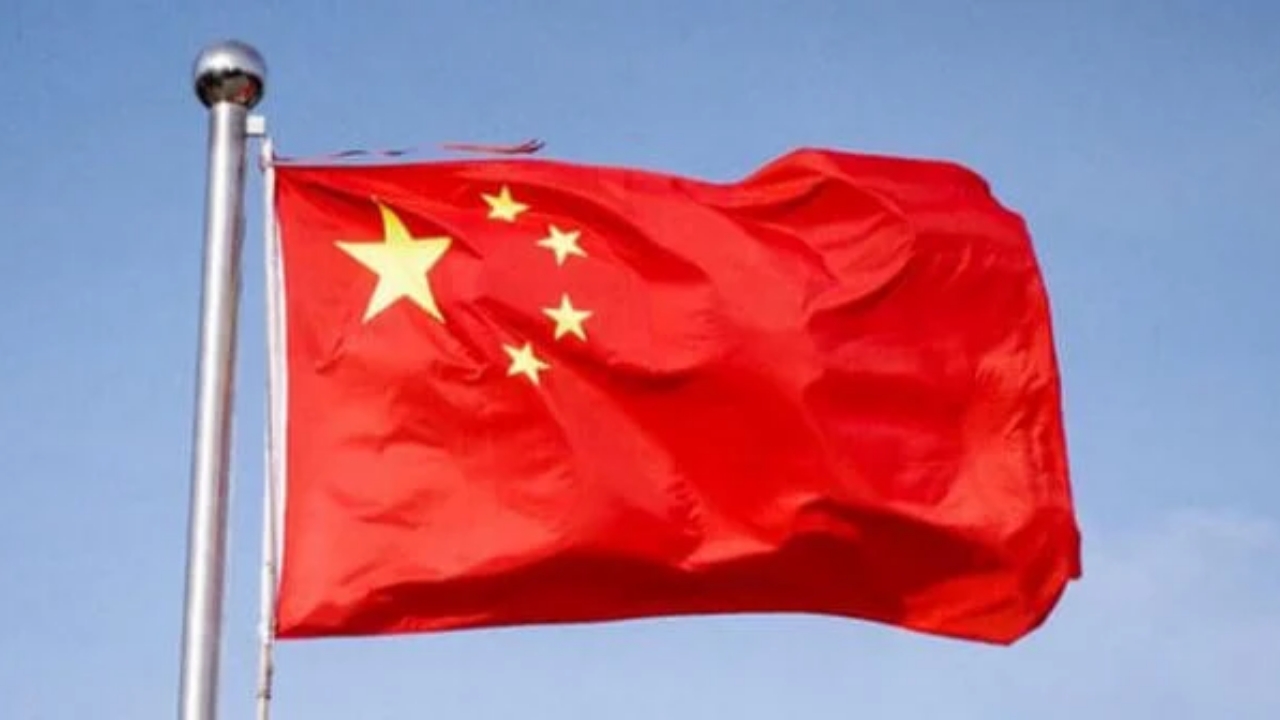
China has firmly stated its opposition to any targeting of Iran’s newly appointed supreme leader, Mojtaba Khamenei, following the death of his father, former leader Ali Khamenei.
Beijing described Iran’s succession as a domestic matter, emphasizing the importance of respecting Iran’s sovereignty, security, and territorial integrity.
Israel has threatened to target any successor to the late supreme leader, while the United States has previously criticized Mojtaba Khamenei, calling him a “lightweight” and suggesting a role in the appointment process.
China, a close partner of Tehran, condemned the killing of Ali Khamenei but also criticized Iranian missile and drone attacks on Gulf states hosting US forces.
Guo Jiakun, a spokesman for China’s Foreign Ministry, highlighted that the Iranian decision followed the country’s constitution.
He added, “China opposes interference in other countries’ internal affairs under any pretext.”
Similarly, China’s envoy to the Middle East called for de-escalation in discussions with Saudi Arabia’s foreign minister, Faisal bin Farhan.
Foreign Minister Wang Yi echoed the call for an end to the conflict, stating the war “should never have happened.”
The ongoing tension between Iran, Israel, and the US has disrupted regional stability and global energy markets.
Iran remains a key oil supplier to China, with over 80 percent of its oil exports in 2025 going to Beijing.
The wider Middle East accounted for more than half of China’s seaborne crude imports, underscoring the country’s dependence on secure shipping through the Strait of Hormuz.
The conflict has broader implications for global energy security and trade, and China continues to advocate for immediate cessation of military operations to protect civilians in the region.
Analysts warn that further escalation could severely impact oil prices and international shipping.
China’s position reflects its long-term strategic partnership with Iran, balancing condemnation of violence with calls for regional stability.
Experts say Beijing’s stance may also influence diplomatic efforts to prevent further conflict in the Middle East.