
By Our Correspondent
A tragic landslide struck Indonesia’s largest landfill, Bantargebang in Bekasi, West Java, on Sunday, killing four people and leaving at least five more missing, according to local rescuers.
The disaster occurred around 2:30 pm (0730 GMT) following hours of heavy rainfall, which destabilized the massive waste site.
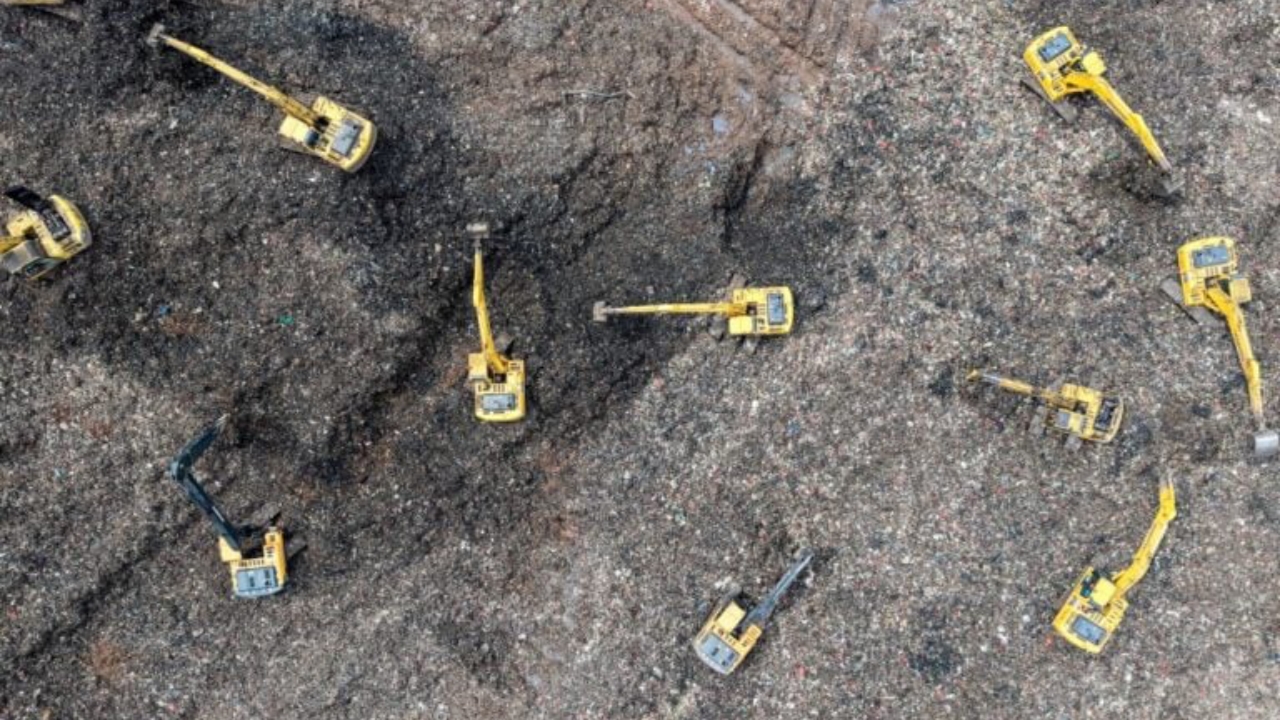
Rescue teams immediately deployed heavy machinery and tracking dogs to reach victims buried under tons of garbage.
“We are working tirelessly to open access and locate any victims,” said officials from Indonesia’s national search and rescue agency. Trucks, food stalls, and large piles of waste were swept away in the collapse.
Bantargebang landfill, located just 25 kilometers from Jakarta, sprawls across more than 110 hectares and stores an estimated 55 million tonnes of waste.
The Jakarta metropolitan area, including satellite cities collectively known as Jabodetabek, generates about 14,000 tonnes of trash daily, creating growing environmental and safety concerns.
Environment Minister Hanif Faisol Nurofiq criticized local authorities for failing to manage the site, despite a 2008 ban on open landfills.
“Bantargebang belongs to the Jakarta administration, so they must take responsibility,” he said, calling the tragedy a “bitter lesson” for improving waste management in the capital.
President Prabowo Subianto recently highlighted that Indonesia’s landfills, many nearing capacity, will exceed limits by 2028.
The government is investing $3.5 billion to construct 34 waste-to-energy facilities over the next two years, aiming to incinerate garbage and generate electricity while reducing landfill risks.
Indonesia has a history of landfill disasters. A methane-triggered landslide in West Java in 2005 claimed 143 lives, underscoring the dangers of poorly managed waste sites.
Authorities urge caution and faster modernization of Jakarta’s waste disposal infrastructure to prevent future tragedies.