By Our Correspondent
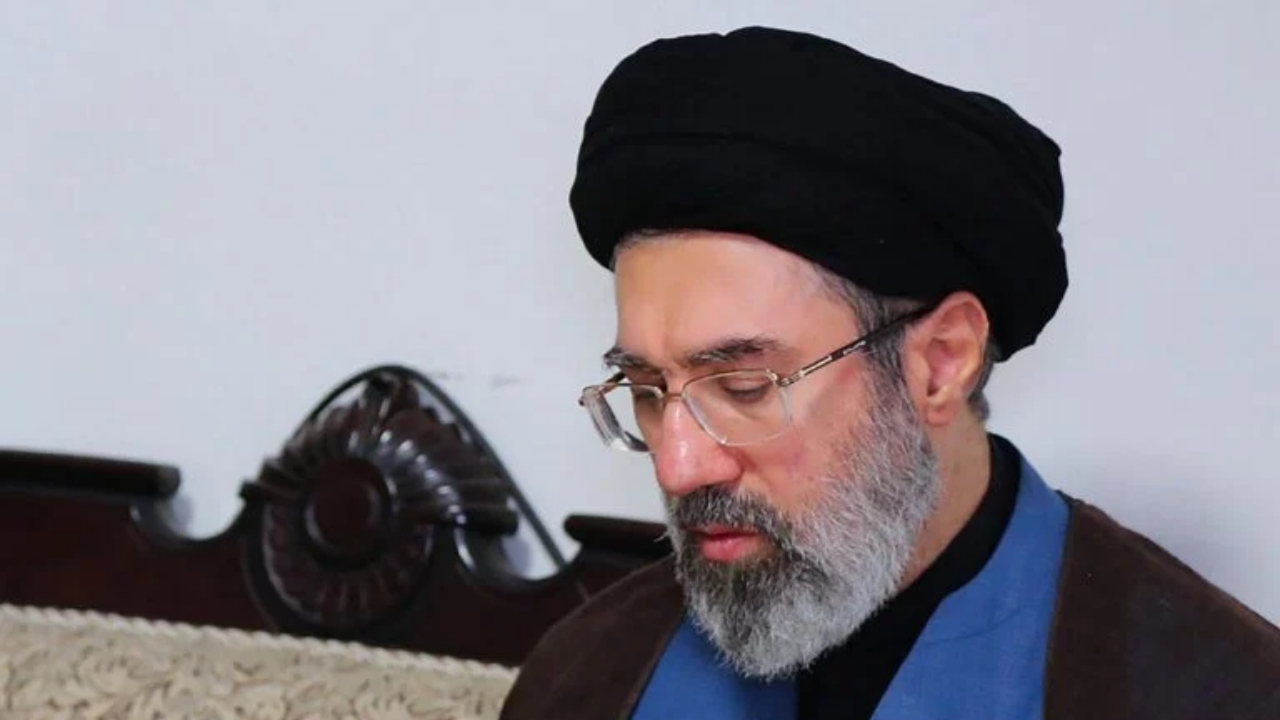
Iran has officially named Mojtaba Khamenei as the country’s new supreme leader following the death of his father, Ali Khamenei.
The decision was announced on Sunday by the Assembly of Experts after what it described as a decisive vote among its members.
The leadership transition comes days after Ali Khamenei, who ruled Iran for more than three decades, was reportedly killed during a joint military operation carried out by the United States and Israel in Tehran.
His death has intensified regional tensions and triggered widespread speculation about who would lead the Islamic Republic.
In a statement released through state media, the Assembly of Experts called on citizens across the country to support the new leadership and maintain national unity.
The clerical body specifically urged political figures, religious scholars, and academics to pledge allegiance to Mojtaba Khamenei and work toward preserving stability in the nation.
Mojtaba Khamenei, a mid-ranking cleric, has long been considered an influential figure within Iran’s political establishment despite largely operating behind the scenes.
Analysts believe he maintains close ties with the powerful Islamic Revolutionary Guard Corps, which plays a central role in the country’s security and political structure.
His emergence as supreme leader had been widely speculated before the official announcement, though the possibility of a father-to-son transition had sparked debate within Iran’s religious and political circles.
Critics argue that such a move could be seen as introducing hereditary leadership into a system that officially rejects monarchy.
The leadership change also drew international attention.
Former United States president Donald Trump had earlier voiced opposition to Mojtaba assuming the position, reportedly describing him as a “lightweight” and suggesting he should not influence Iran’s future leadership.
Under Iran’s constitution, the Assembly of Experts holds the authority to appoint the supreme leader, who serves as the highest authority in the Islamic Republic.
The position commands ultimate control over state policies, the armed forces, and the judiciary.
Mojtaba Khamenei’s appointment marks one of the most significant political transitions in Iran in decades and comes at a time of heightened geopolitical tensions in the Middle East.