By Our Correspondent
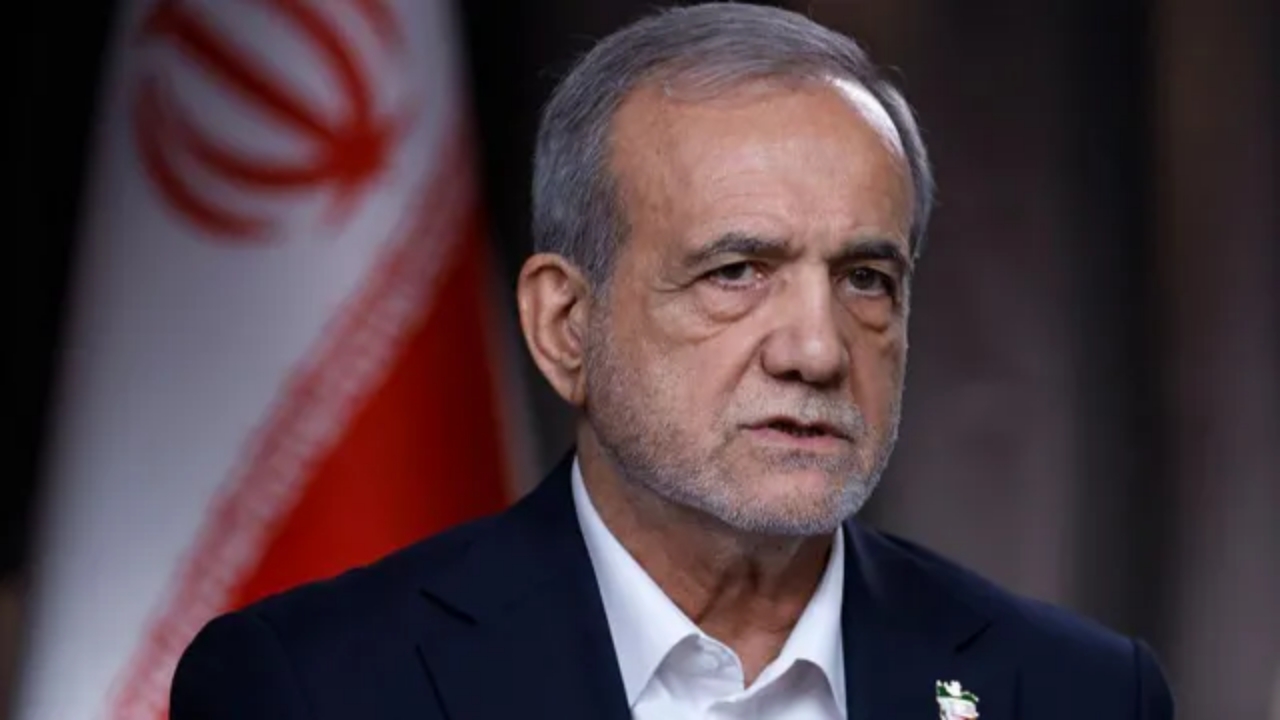
Iran’s President Masoud Pezeshkian shocked the international community by issuing a rare apology to neighbouring countries affected by recent military strikes.
Speaking on Saturday as part of Iran’s interim leadership, Pezeshkian explicitly acknowledged that Iranian forces had targeted neighbouring territories and said attacks would now be limited to cases where aggression originated from these countries.
“I deem it necessary to apologise to neighbouring countries that were attacked,” he stated. “We do not intend to invade neighbouring countries.”
Apologies from state leaders during active conflicts are unusual, making Pezeshkian’s remarks a significant departure from standard diplomatic language, which often frames statements in terms of “regret” or avoids responsibility.
Analysts suggest this move could signal Iran’s desire to prevent a wider regional escalation after recent US and Israeli strikes disrupted Iranian command structures and killed senior military leaders.
Despite the apology, reports indicate that missile interceptions continued in Qatar and the UAE, raising questions about control within Iran’s fragmented leadership.
The interim council now oversees decision-making following the death of Supreme Leader Ayatollah Ali Khamenei, but maintaining influence over powerful military groups, including the Islamic Revolutionary Guard Corps, remains uncertain.
Hardline factions argue that regional military pressure strengthens Iran’s strategic position, and domestic critics have labeled Pezeshkian’s conciliatory tone as weak.
International reactions have been mixed. Former US President Donald Trump claimed Iran’s apology amounted to surrender, reflecting Washington’s demand for total capitulation.
Meanwhile, neighbouring states remain cautious, observing whether Pezeshkian’s statement translates into tangible changes on the ground.
Experts note that the apology may serve multiple purposes: calming regional tensions, buying time for the interim leadership, and positioning Pezeshkian as a pragmatic figure acceptable to Western negotiators.
As Iran navigates this unusual political moment, the next stages of its leadership transition and conflict management will be closely watched.
The apology underscores the delicate balance between internal power struggles and regional diplomacy amid ongoing military confrontations.