By Our Correspondent
National News – Iran fired a new wave of missiles across the Middle East on Wednesday, escalating tensions just as US President Donald Trump indicated progress in diplomatic talks with Tehran.
The strikes targeted Israel and US military bases in Kuwait, Jordan, and Bahrain, while Trump described a “significant development” involving the Strait of Hormuz, which Iran had largely blocked following US and Israeli attacks.
Global markets reacted to the mixed signals from Washington and Tehran, with crude oil prices dropping over 6% and Asian stocks rising.
Trump claimed that Tehran “gave us a present worth a tremendous amount of money,” signaling ongoing negotiations.
Reports suggest the US sent a 15-point plan to Iran via Pakistan to mediate an end to the conflict, although Israel’s awareness of the plan remains unclear.
Iranian officials have yet to formally confirm the talks.
The conflict traces back to February 28, when a joint US-Israel operation killed Iran’s Supreme Leader Ayatollah Ali Khamenei.
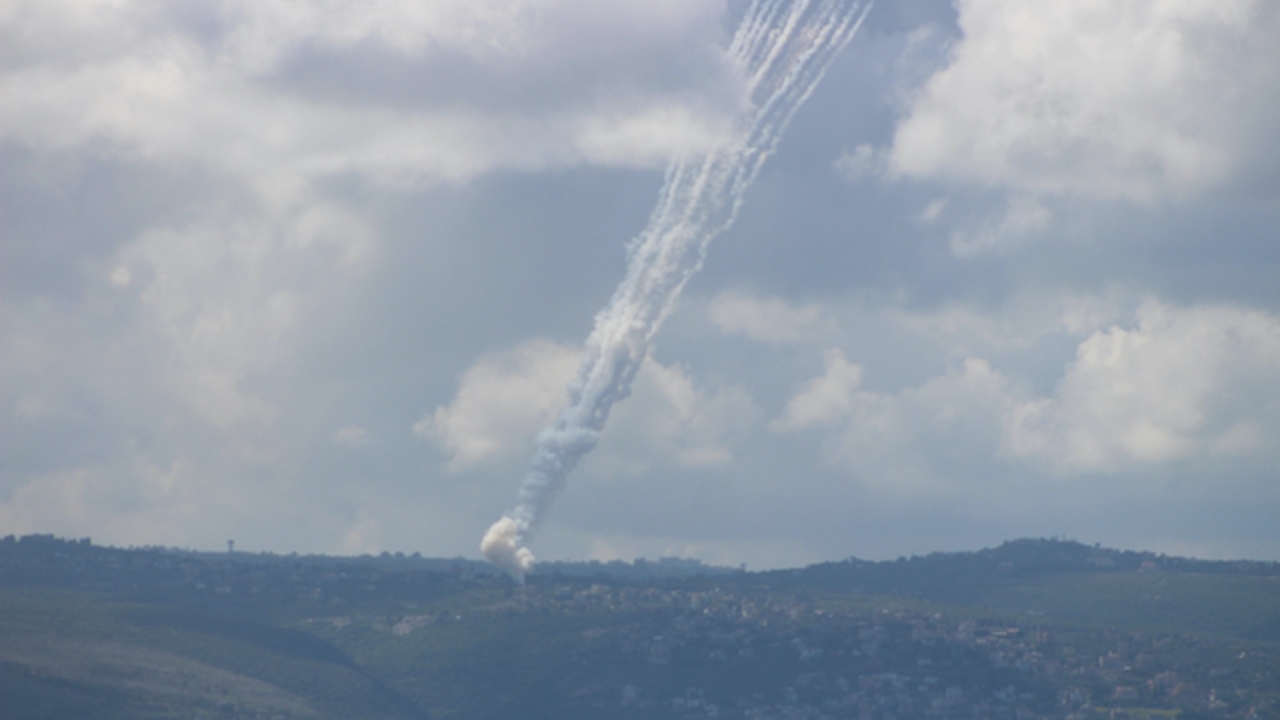
Hezbollah responded by launching rockets into Israel, drawing Lebanon into the conflict.
Iran’s Revolutionary Guards have continued retaliatory attacks on Gulf nations, with drones hitting a fuel tank at Kuwait International Airport and air raid sirens activated in Bahrain and Jordan.
Saudi Arabia intercepted at least four drones in its east.
The Strait of Hormuz, a key route for one-fifth of global crude oil, remains under close watch. Tehran assured safe passage for non-hostile vessels but warned that US and Israeli ships would be denied access.
Meanwhile, Israel continued strikes against Iranian infrastructure and Hezbollah positions in southern Lebanon.
The ongoing war has heightened regional instability, drawing Iraq deeper into the conflict, and raised fears of a prolonged Middle East crisis.
Diplomatic efforts, led by Trump and facilitated through backchannels, may provide a pathway to de-escalation, though military operations continue on multiple fronts.