By Our Correspondent
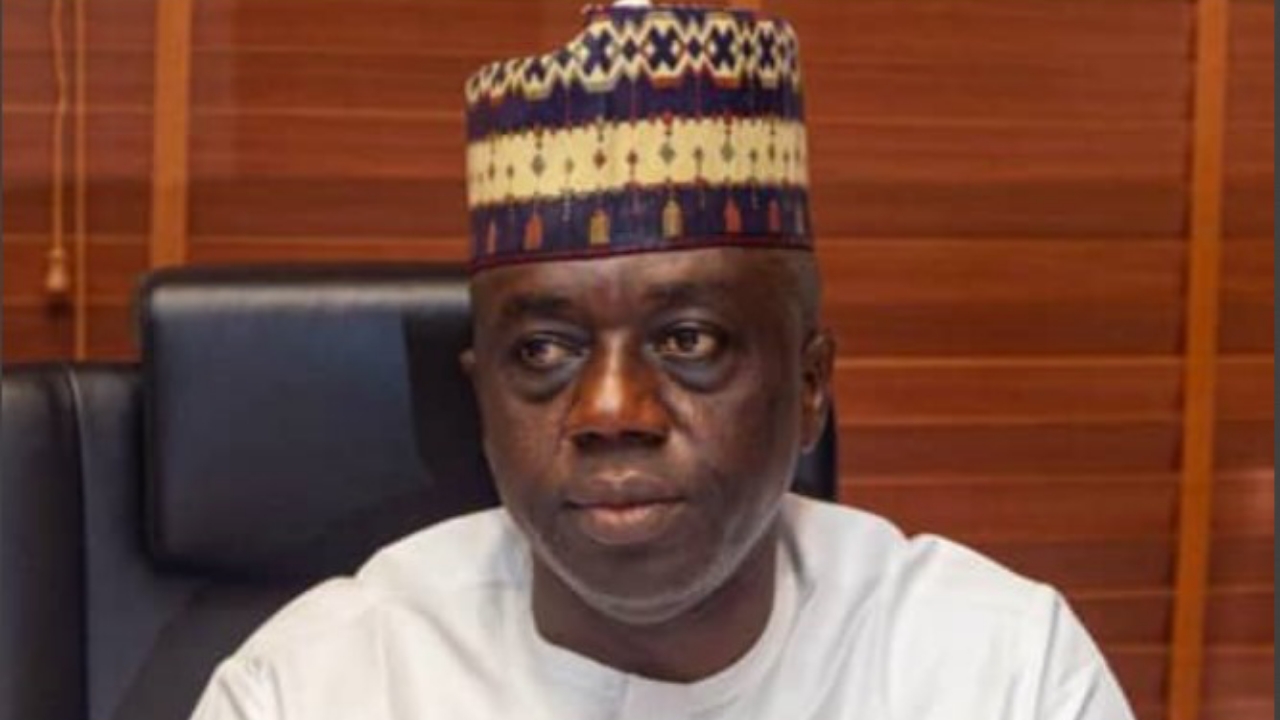
National News – The Accountant-General of the Federation, Shamseldeen Ogunjimi, has warned that Nigeria may reject World Bank loan facilities if approval and disbursement delays persist beyond six months, saying such delays could disrupt project execution and national development planning.
He issued the warning in Abuja during a courtesy visit by a World Bank delegation led by Mrs Treed Lane on Friday, stressing that Nigeria expects timely processing of funding requests because the facilities are loans with repayment obligations, not grants.
Ogunjimi said prolonged approval timelines weaken fiscal planning and project delivery, adding that the Federal Government would reconsider such arrangements if delays continue.
He urged the World Bank to expedite approvals and disbursement processes to align with Nigeria’s budget cycle and development priorities.
According to him, Nigeria has begun addressing earlier concerns raised by the World Bank, particularly in public financial management reforms, audit reporting, and digitalisation of the Government Integrated Financial Management Information System (GFMIS).
He disclosed that the 2023 Audit Report would be submitted within two weeks, while reports for 2024 and 2025 are already in progress, reflecting efforts to strengthen transparency and accountability.
Ogunjimi also noted ongoing upgrades to outdated financial systems to improve efficiency, reduce bottlenecks, and enhance service delivery across government institutions.
In response, Mrs Treed Lane commended Nigeria’s reform efforts and encouraged sustained digitalisation and timely submission of financial statements to the Auditor-General, describing them as essential for smooth public financial management.
The World Bank explained that loan funds are typically disbursed in tranches tied to project milestones, meaning full amounts are not released at once but based on agreed conditions.
Nigeria’s growing debt exposure to the World Bank has also raised concerns, even as both parties continue discussions on improving efficiency and accountability in project financing.
Analysts say the warning highlights tensions over development financing efficiency, as Nigeria balances rising external debt with the need for faster infrastructure delivery and stronger fiscal accountability systems.
It also underscores the importance of aligning international lending frameworks with national budgeting timelines for effective project outcomes.