Did You Know?
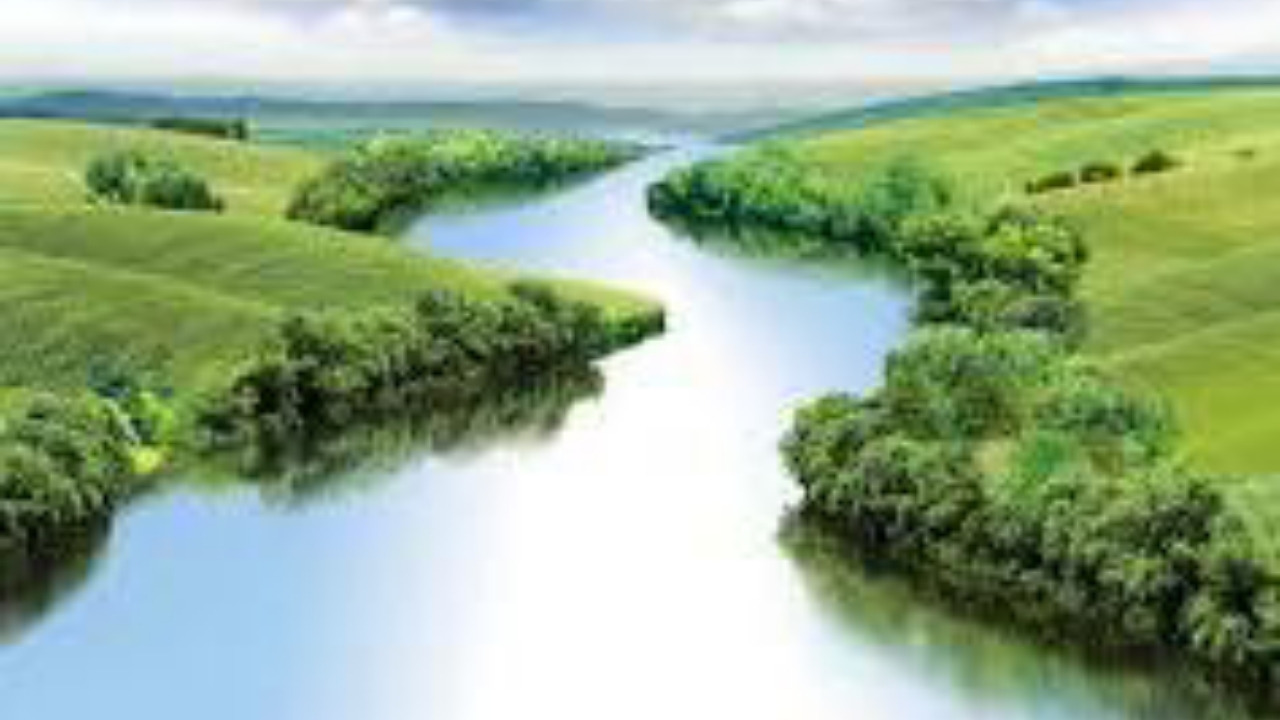
The River Nile remains the longest river in the world, stretching approximately 6,853 kilometres across the African continent and supplying vital water resources to 11 countries.
Its waters sustain millions of people and play a critical role in agriculture, transportation, and economic activities across several regions of Africa..
Flowing through Uganda, South Sudan, Sudan, Egypt, Ethiopia, Kenya, Tanzania, Rwanda, Burundi, the Democratic Republic of Congo, and Eritrea, the Nile stands as one of the most internationally shared river systems on Earth.
The river connects East and North Africa, supporting farming communities, urban centres, and industries that depend on reliable water supply.
For centuries, the Nile has been central to the growth of civilizations and societies along its banks.
Ancient communities depended on its seasonal flooding to enrich farmland, while modern nations continue to rely on its waters for irrigation, fisheries, and hydroelectric power generation.
Large-scale dams and irrigation projects have further strengthened the river’s role in sustaining food production and energy supply.
Beyond agriculture and power generation, the Nile also contributes to regional transportation and tourism.
Boats and ferries provide travel routes across several parts of the river, while historical sites along its banks attract visitors interested in Africa’s cultural heritage.
However, the river’s growing importance has also highlighted the need for responsible management.
Population growth, climate change, and rising water demand have intensified discussions about cooperation among the countries sharing the Nile Basin.
Regional efforts continue to focus on ensuring that the river’s resources are used sustainably while protecting the environment.
Environmental experts emphasize that preserving the Nile is essential for the future of millions of people across Africa.
Maintaining balanced water use, safeguarding ecosystems, and promoting cross-border collaboration are considered key to protecting the continent’s most famous river.
Now, you know.
National News