By Ogadinma Wokoma, Port Harcourt
National News – Community leaders, civil society groups, and residents of Oromeruezimgbu in Rivers State have demanded immediate remediation of oil-polluted areas and stronger accountability measures for oil companies operating across the Niger Delta.
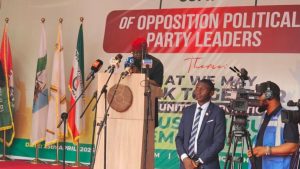
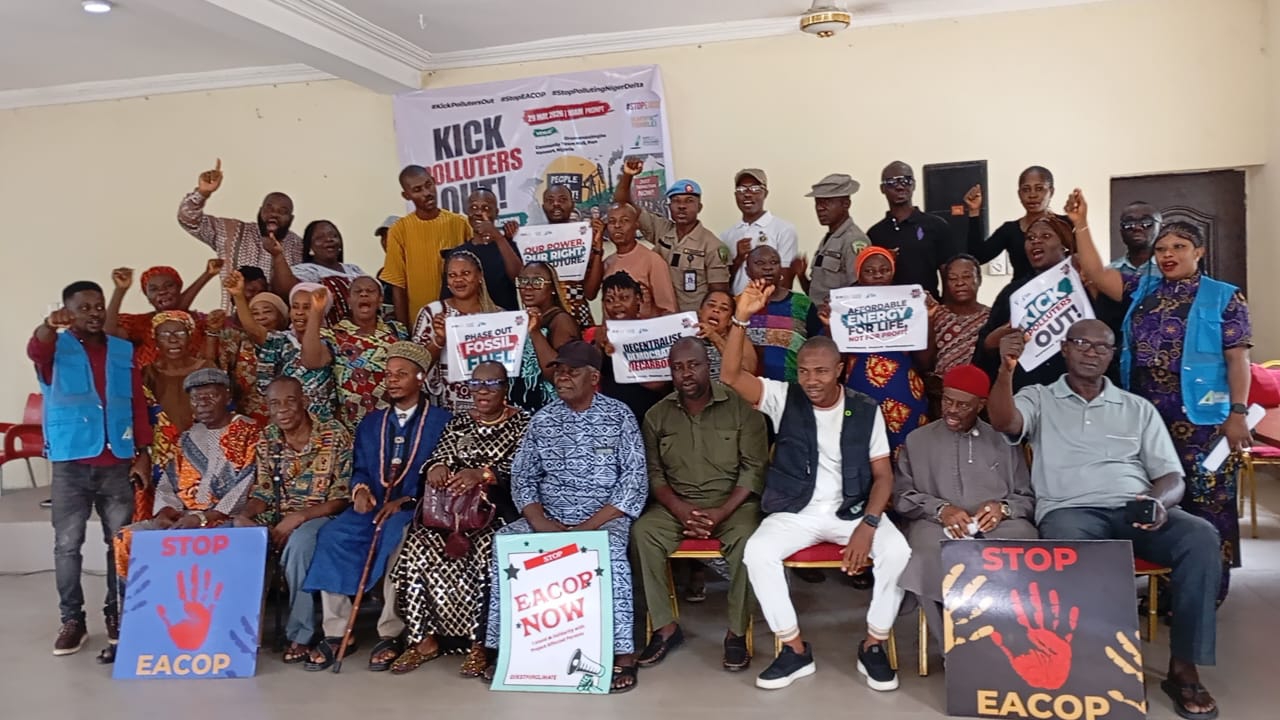
The call was made on Friday during a town hall meeting organized by the Quest for Growth and Development Foundation as part of the ongoing “Kick Polluters Out” campaign.
The gathering brought together community stakeholders to discuss the environmental impact of oil pollution, gas flaring, and the urgent need for sustainable cleanup efforts.
Speaking at the event, Chief Magnus from Ogoni Community said gas flaring has severely affected fishing and farming, which remain the primary sources of livelihood for many residents.
According to him, continuous environmental pollution has also contributed to serious health challenges and reduced living standards in affected communities.
The convener of the foundation, Smith Nwokocha, urged residents to intensify advocacy efforts and ensure that oil companies engage directly with host communities on remediation plans.
He explained that a petition would be signed at the end of the meeting to formally present the communities’ demands for environmental justice and pollution control.
Anebom Omunakwe, Chairman of the Community Development Committee (CDC), alleged that some community leaders receive payments from international oil firms without informing residents.
He stressed that pollution in one area affects neighboring communities, citing the Ogoni cleanup experience as evidence that environmental damage spreads beyond local boundaries.
Chief Barr. Mrs. Aguma Aguma called for increased public awareness and collaboration between non-governmental organizations and government agencies.
She also urged the Rivers State House of Assembly to enact stronger environmental protection laws to tackle oil pollution and enforce remediation.
Representing the Peace Corps Civil Society in Rivers State, Joseph Joseph lamented the deterioration of rivers once used as sources of drinking water.
He also criticized multinational companies for failing to create sufficient employment opportunities for local youths.
Stakeholders further questioned the effectiveness of the Hydrocarbon Pollution Remediation Project, noting that many affected communities still lack access to clean water despite years of cleanup efforts.
Participants concluded that coordinated action involving communities, government authorities, and oil companies remains essential to ending pollution and restoring the Niger Delta environment.