By Our Correspondent
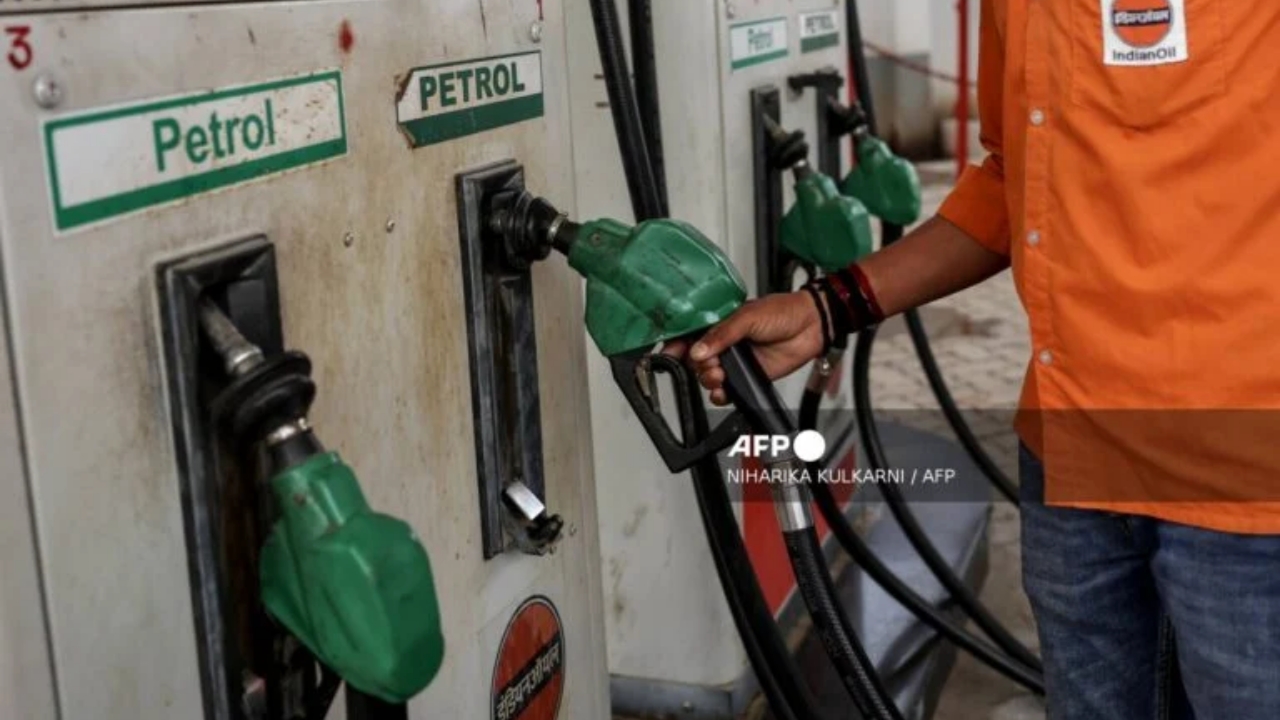
National News – Sri Lanka has increased fuel prices again on Sunday, May 3, 2026, as inflation continues to rise sharply due to the ongoing Middle East war 2026.
The government, through the Ceylon Petroleum Corporation, raised petrol, diesel, and kerosene prices nationwide.
The move aims to manage supply disruptions and stabilize the economy, but it has intensified financial pressure on citizens already facing high living costs.
Authorities confirmed that petrol increased by 12 rupees to 410 rupees per litre, diesel rose by 10 rupees to 392 rupees, and kerosene climbed to 265 rupees.
Since March, fuel prices have surged by over 35 per cent, reflecting the country’s dependence on imported fossil fuels and vulnerability to global oil price shocks.
Officials say the hikes were necessary to maintain fuel availability amid supply shortages.
The Department of Census and Statistics reported that inflation more than doubled to 5.4 per cent in April 2026, largely driven by higher energy costs.
Transport fares and food prices have also risen significantly, worsening the cost-of-living crisis.
Experts warn that continued increases in fuel and electricity tariffs could slow economic recovery and deepen hardship for households.
Sri Lanka is still recovering from its 2022 economic crisis, when it ran out of foreign exchange reserves and struggled to import essential goods like food, fuel, and medicine.
Although the country secured a $2.9 billion bailout from the International Monetary Fund in 2023, recovery remains fragile.
A devastating cyclone in late 2025 further damaged infrastructure and agriculture, causing billions of dollars in losses.
Economists say the government faces a difficult balancing act—ensuring fuel supply while controlling inflation.
For many citizens, however, the immediate concern is survival, as rising energy costs continue to erode purchasing power and strain daily life.