By Our Correspondent
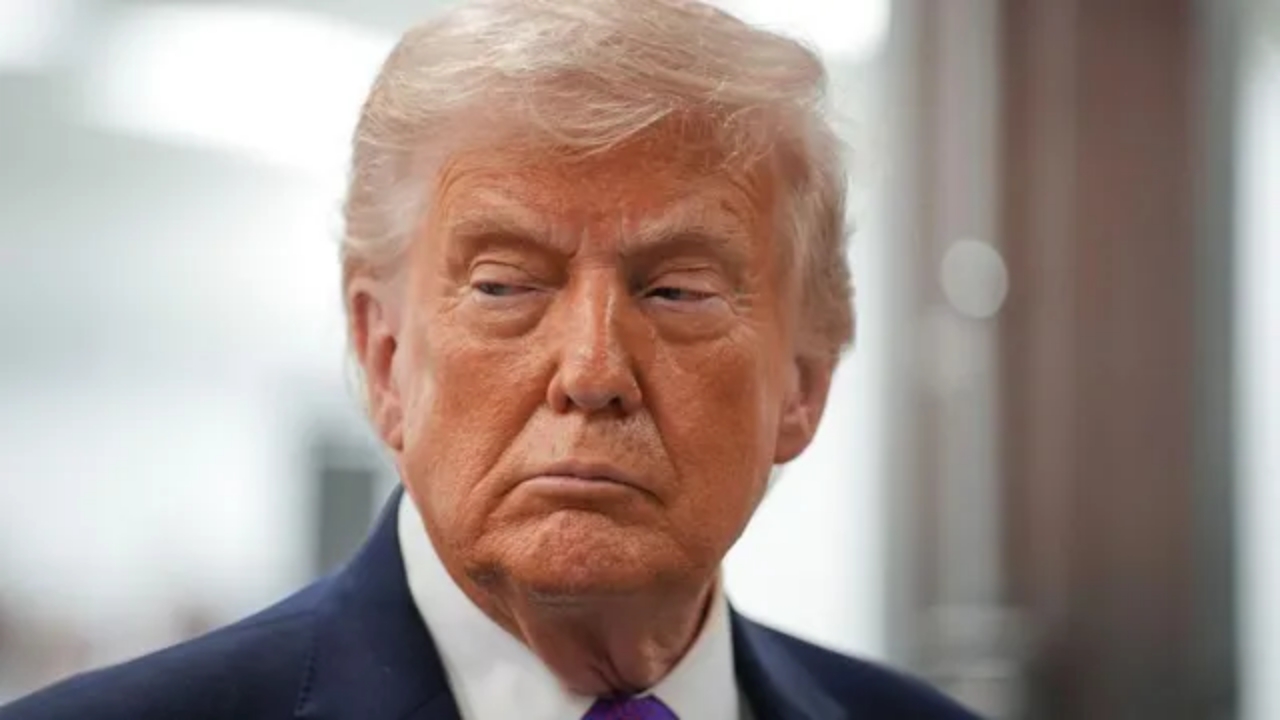
National News – Three weeks into the joint US-Israeli military campaign against Iran, uncertainty surrounds the conflict, with US President Donald Trump sending mixed signals.
While Trump claims the war is “very complete” and “winding down,” new American ground forces, including Marine expeditionary units, are being deployed to the region.
Bombing and missile strikes on Iranian targets continue, contradicting the president’s statements of a de-escalation.
Trump recently outlined key US military objectives, including neutralizing Iran’s military, defense infrastructure, and nuclear program, while protecting American allies.
Notably absent was a focus on securing the Strait of Hormuz, a critical oil transit route, leaving Iran’s leadership and oil exports largely intact.
This shift indicates the US could conclude operations without regime change.
Despite denying plans for a ground invasion, Trump has hinted that US forces could take more aggressive steps, such as seizing Kharg Island, Iran’s main oil export hub.
Such a move would risk retaliation across the Red Sea and other strategic energy sites.
Reports also suggest the White House may request $200 billion from Congress to sustain military operations, signaling a potential long-term engagement.
Republican lawmakers have expressed caution, highlighting the need for clarity on mission objectives and funding.
The Iran war remains in a strategic crossroads, balancing diplomacy, regional security, and military action.
Trump’s public statements and troop movements continue to fuel uncertainty, both domestically and internationally.
Analysts warn that any escalation could significantly impact global oil markets, regional stability, and US foreign policy credibility.
As events unfold, the world watches closely to see whether the conflict will escalate or gradually de-escalate.