By Our Correspondent
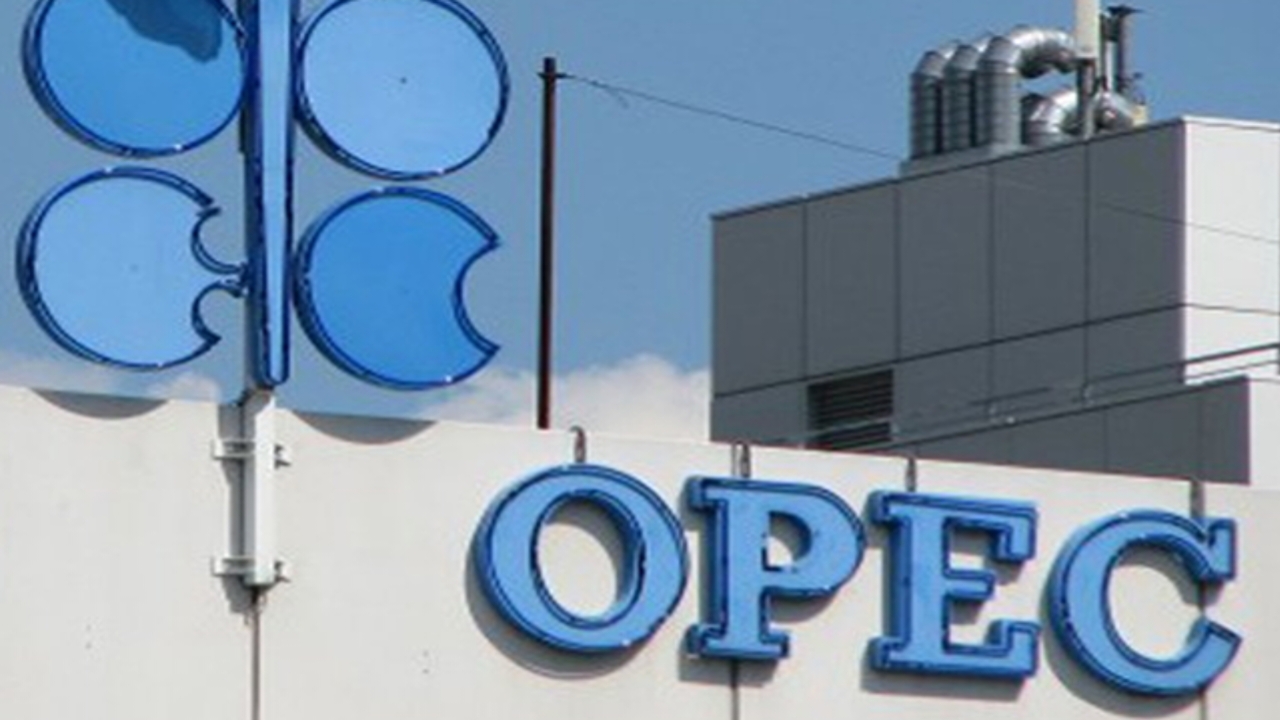
National News – The United Arab Emirates has announced its withdrawal from the Organisation of the Petroleum Exporting Countries (OPEC), a decision confirmed on Monday in Abu Dhabi by the UAE Minister of Industry and Advanced Technology, Sultan Al Jaber, who also leads the state-owned oil giant ADNOC.
The exit, which took effect on Friday, was presented as a sovereign move aimed at aligning the country’s energy strategy with national economic priorities rather than targeting any state.
Speaking at a major industry conference in Abu Dhabi, Al Jaber explained that the decision was driven by the need to expand production capacity, diversify the economy, and accelerate investment in technology and industrial development.
The announcement comes amid months of strained relations with Saudi Arabia, OPEC’s leading producer, over oil output quotas, regional foreign policy differences, and tensions linked to conflicts in the Middle East.
The UAE had long expressed frustration over production limits, previously capped at about 3.4 million barrels per day, while seeking to boost capacity toward 5 million barrels per day by 2027.
The withdrawal, therefore, marks a significant shift in global oil politics and weakens OPEC’s influence over supply coordination.
Al Jaber emphasized that the move was not directed against any country but was part of a broader restructuring strategy designed to strengthen the UAE’s industrial base and support long-term economic resilience.
He added that increased oil revenue would be redirected into high-growth sectors such as artificial intelligence and advanced technology.
The decision positions the UAE, previously the fourth-largest OPEC producer, as a more independent energy player, potentially reshaping global oil pricing dynamics and intensifying competition within the Gulf region.
Market analysts suggest the exit could reduce OPEC’s cohesion and force adjustments in production coordination strategies, especially as global demand shifts and Gulf economies pursue diversification.
Energy observers also note that the UAE’s strategy may encourage other producers to reassess quota agreements, potentially reshaping oil supply governance in the coming years.
Industry watchers say the development may influence future OPEC+ negotiations and energy stability worldwide.