By Bini Francis
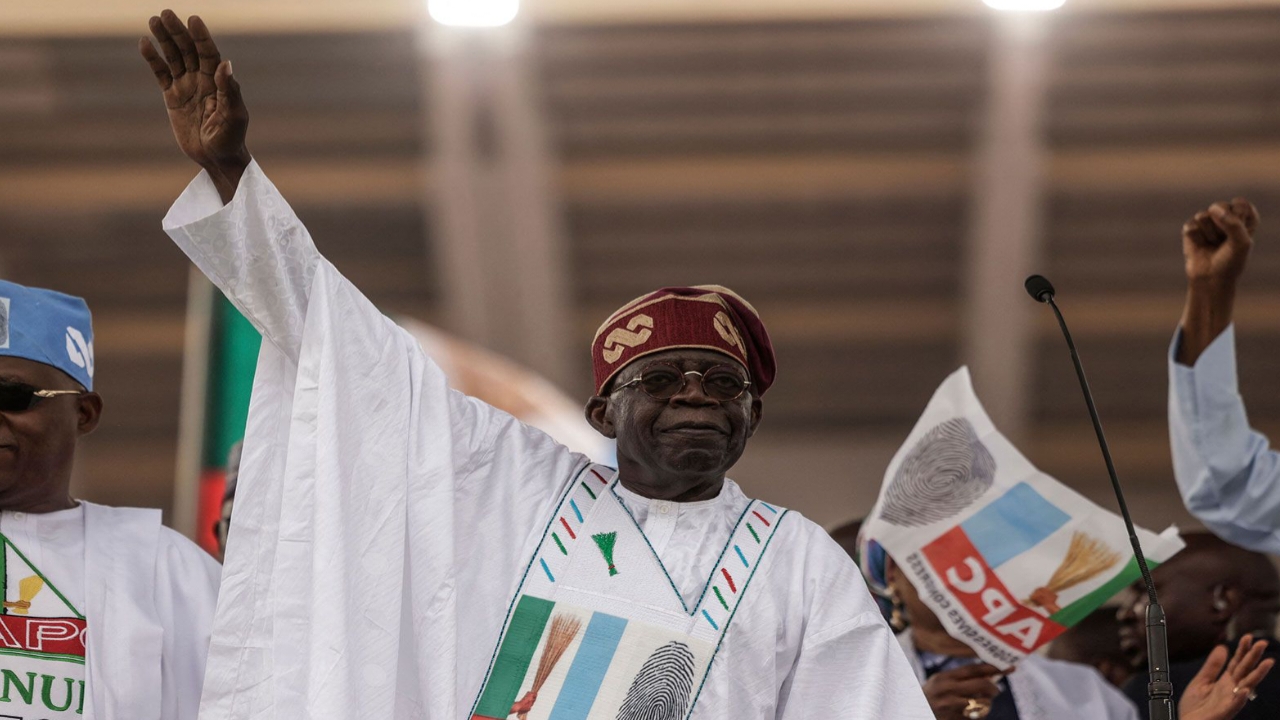
National News – When Bola Ahmed Tinubu campaigned for the presidency ahead of the 2023 general election in Nigeria, he presented himself as a reformer with a bold plan to reset the country’s economy, strengthen security, and improve the living standards of Nigerians. His campaign mantra, popularly known as the “Renewed Hope Agenda,” promised sweeping reforms and a better future for millions facing economic hardship. Nearly three years into his administration, however, many Nigerians argue that several of those campaign promises remain unfulfilled or only partially implemented.
During the election season, Tinubu pledged to stabilize the economy, reduce inflation, and create millions of jobs. These promises resonated strongly with voters who were grappling with rising food prices, unemployment, and a weakening naira. The campaign narrative suggested that experienced leadership would quickly reverse the economic downturn.
One of the most prominent promises made during the campaign was the creation of massive employment opportunities for Nigerian youths. Tinubu repeatedly emphasized that his government would stimulate industrial growth, support small and medium enterprises, and launch new initiatives to absorb the growing workforce.
However, unemployment and underemployment remain persistent challenges. Many young Nigerians still struggle to secure stable jobs, while graduates continue to flood the labor market without corresponding opportunities. Critics argue that the pace of job creation has been far slower than what was promised during the campaign.
Another key promise was to improve power supply across the country.
Tinubu’s campaign team assured Nigerians that electricity generation and distribution would be significantly upgraded, enabling businesses to thrive and reducing reliance on expensive generators.
Yet, power shortages remain widespread across many parts of Nigeria. Frequent outages and unstable electricity supply continue to affect homes, businesses, and industries, raising questions about the effectiveness of reforms in the power sector.
Security was another central pillar of Tinubu’s campaign message. The president pledged to confront insurgency, banditry, kidnapping, and oil theft with decisive strategies that would restore peace across the country.
Despite some military operations and security reforms, insecurity persists in many regions. Communities in parts of the North-West and North-Central still report attacks by bandits and armed groups, while kidnapping for ransom remains a recurring concern for residents.
In the South-South region, oil theft and pipeline vandalism have continued to threaten Nigeria’s economic stability. The government has introduced surveillance contracts and community-based approaches to curb these crimes, but critics say the problem has not been completely resolved.
During the campaign, Tinubu also promised to strengthen the agricultural sector to ensure food security. He argued that expanding agricultural investment would reduce dependence on imports and bring down the cost of food.
However, food prices have continued to rise sharply in many parts of the country. Staple foods such as rice, garri, and beans have become increasingly expensive, placing additional pressure on low-income households.
Another major pledge involved strengthening the naira and stabilizing Nigeria’s foreign exchange market. The campaign suggested that strategic economic reforms would restore confidence in the national currency.
Yet the naira has experienced significant volatility since the beginning of the administration. Currency fluctuations and inflation have made it more difficult for businesses and households to plan for the future.
Fuel subsidy removal was one of the most controversial decisions taken early in the administration. While Tinubu did promise to reform the subsidy system during the campaign, many Nigerians say the sudden removal without adequate social safety nets has worsened economic hardship.
Transportation costs increased sharply following the subsidy removal, affecting the prices of goods and services nationwide. Many citizens believe the government underestimated the immediate impact of the policy on ordinary Nigerians.
Another promise made during the campaign involved expanding social welfare programs to cushion the effects of economic reforms. These programs were expected to support vulnerable households and reduce poverty.
Although some intervention programs have been introduced, critics argue that the benefits have not reached a large segment of the population. Concerns about transparency and effectiveness have also been raised.
Infrastructure development was also a major talking point during Tinubu’s campaign. He promised to accelerate road construction, rail development, and urban renewal projects across the country.
While some ongoing projects inherited from previous administrations have continued, analysts say many of the ambitious infrastructure plans announced during the campaign have yet to materialize on a large scale.
Education reform was another area highlighted during the campaign. Tinubu promised to improve funding for schools, expand access to education, and address the frequent strikes that have plagued universities.
However, the education sector still faces numerous challenges, including inadequate funding, overcrowded classrooms, and disputes between government and academic unions.
Healthcare improvements were also part of the Renewed Hope Agenda. The campaign promised to upgrade hospitals, improve medical training, and reduce medical tourism among government officials.
Yet Nigeria’s healthcare system continues to struggle with poor facilities, shortages of medical personnel, and rising costs of treatment for patients.
Another area of concern involves transparency and governance. During the campaign, Tinubu promised to promote accountability and reduce corruption within government institutions.
While anti-corruption agencies remain active, critics say the administration has yet to demonstrate significant breakthroughs in tackling systemic corruption.
The fight against poverty was another core element of the campaign promises. Tinubu pledged to lift millions of Nigerians out of poverty through economic growth and targeted welfare programs.
However, recent economic conditions suggest that many households are facing deeper financial hardship, particularly due to inflation and rising living costs.
Urban development and housing were also highlighted during the campaign. Tinubu promised to introduce policies that would make housing more affordable for ordinary Nigerians.
Despite these assurances, the cost of housing and rent has continued to rise in many cities, making it difficult for low- and middle-income families to secure decent accommodation.
Another commitment made during the campaign was to support digital innovation and technology-driven economic growth. The administration promised to empower young tech entrepreneurs and expand Nigeria’s digital economy.
While some policy steps have been taken, many stakeholders believe the full potential of the technology sector remains underutilized.
Political observers note that governing a complex country like Nigeria often presents unexpected challenges. Economic shocks, global market trends, and security pressures can affect the speed at which campaign promises are implemented.
Supporters of the president argue that reforms take time and that some of the policies introduced by the administration may yield long-term benefits rather than immediate results.
Nevertheless, critics maintain that the gap between campaign rhetoric and present realities remains a major source of public frustration.
For many Nigerians, the expectation during the election was that Tinubu’s leadership experience would quickly translate into tangible improvements in their daily lives.
Instead, rising costs of living and continued socio-economic challenges have led some citizens to question whether the Renewed Hope Agenda is being fully realized.
As the administration moves further into its tenure, analysts say the coming years will be critical in determining whether the president can deliver on the promises that helped secure his victory.
Ultimately, the success or failure of the Tinubu presidency may depend on how effectively it addresses the concerns of ordinary Nigerians and turns campaign commitments into measurable results.
For now, the debate over unfulfilled promises continues to shape political discourse in Nigeria, reflecting the high expectations that accompanied the rise of President Bola Tinubu to power.