By Our Correspondent
National News – The United States and Iran have agreed to a temporary two-week ceasefire, halting military actions while setting the stage for further negotiations.
U.S. President Donald Trump described the truce as a “total and complete victory” for Washington, citing Iran’s commitment to safely reopen the Strait of Hormuz.
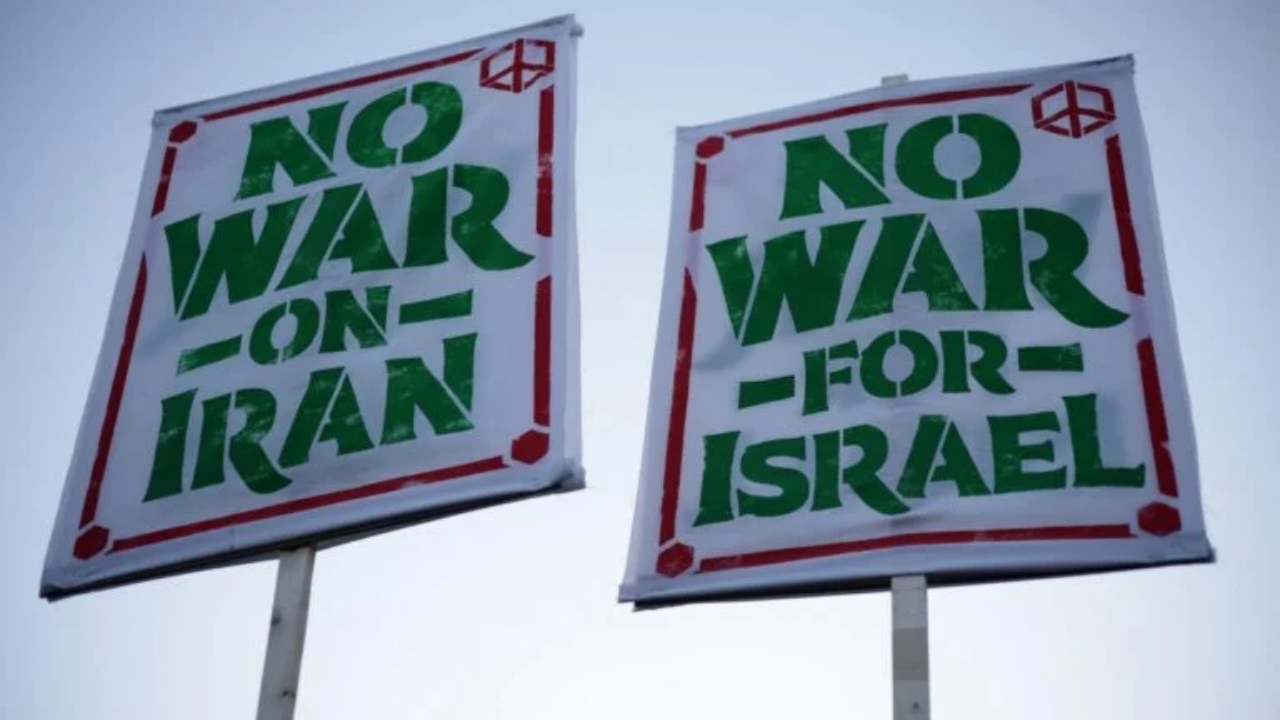
The ceasefire aims to prevent further escalation following the U.S.-led war on Iran that began on February 28, 2026.
According to Iran, the Strait of Hormuz, a critical route for one-fifth of global oil supplies, will remain open for the duration of the ceasefire.
Iranian Foreign Minister Abbas Araghchi confirmed Tehran’s agreement, emphasizing the country’s proposal of a 10-point plan to secure a lasting peace.
The plan includes lifting sanctions, maintaining uranium enrichment under oversight, and ending military hostilities.
While the U.S. previously demanded unconditional surrender from Iran, the current truce focuses on dialogue, with details of final conditions to be negotiated in Islamabad, Pakistan.
Israel has expressed support for the temporary halt in attacks but clarified that the ceasefire does not cover Lebanon, where Israel continues to face Iran-backed Hezbollah rocket fire.
The conflict has already resulted in over 1,500 fatalities in Lebanon.
Pakistani Prime Minister Shehbaz Sharif will host talks starting Friday to establish a conclusive agreement.
The White House is reviewing the schedule and format of the discussions.
Global markets responded immediately, with oil prices dropping after the Strait of Hormuz reopened.
This move temporarily eases pressure on international oil supply chains disrupted by Iran’s partial blockade.
Analysts warn that the ceasefire is fragile, and both sides remain far apart on core issues, including regional military presence and sanctions relief.
The agreement demonstrates a cautious step toward peace in the Middle East, balancing strategic interests while averting an immediate humanitarian crisis.
Observers worldwide are closely monitoring developments, hoping the negotiations yield a durable resolution.