By Our Correspondent
National News – The Ebola outbreak in the Democratic Republic of Congo (DRC) has been described as “deeply alarming” by Médecins Sans Frontières (MSF) as health officials struggle to contain a fast-spreading infection in the eastern region.
The World Health Organization (WHO) and MSF report that more than 1,000 suspected cases and at least 246 deaths have been recorded in Ituri Province, eastern DRC, just two weeks after the outbreak was declared.
The crisis, which is concentrated in the east near Goma and Bunia, has also seen nine confirmed cases and one death in neighbouring Uganda, highlighting cross-border transmission risks.
The outbreak is caused by the rare Bundibugyo strain of Ebola virus disease, which is transmitted through direct contact with bodily fluids such as blood, vomit, sweat, and contaminated objects.
Health experts warn that funeral practices involving touching the dead have contributed to further spread.
WHO Director-General Tedros Adhanom Ghebreyesus visited Ituri to assess response efforts, stressing the importance of community participation in stopping infections.
He warned that conflict, border restrictions, and delayed testing are slowing containment, with samples previously needing transport over 1,500km to the capital Kinshasa.
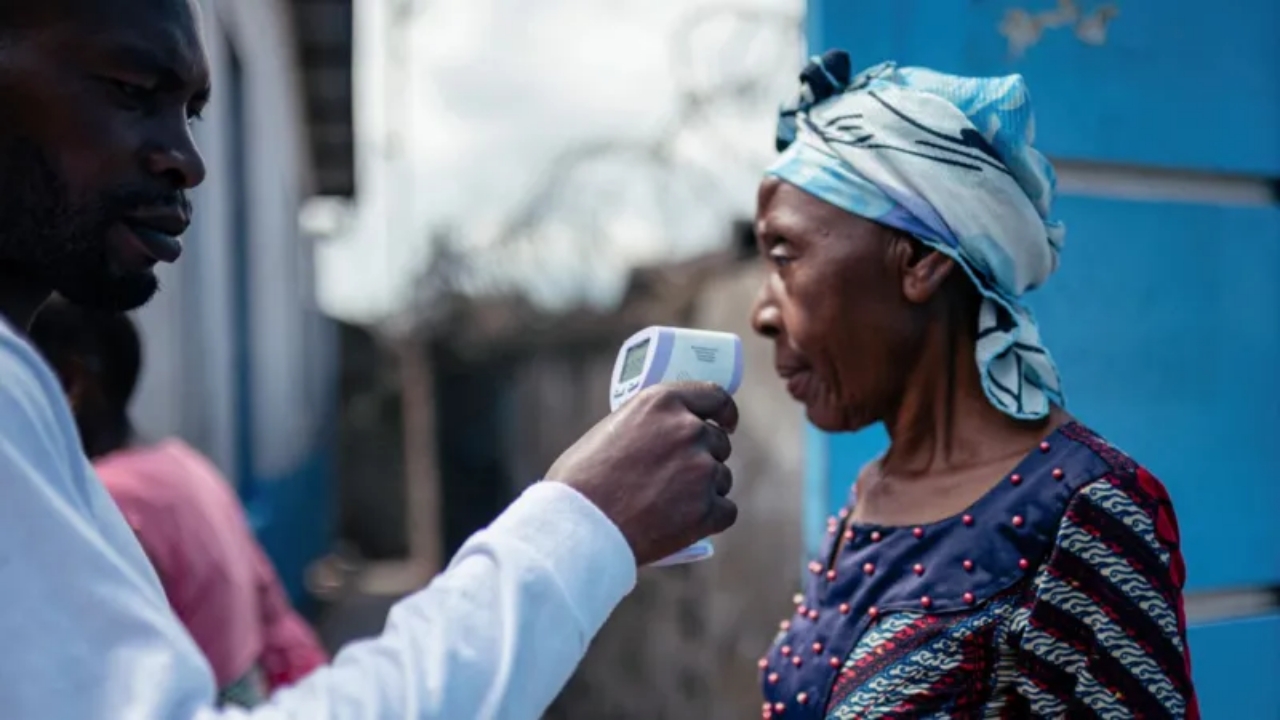
Medical teams say the situation remains difficult as new suspected cases are reported daily, while isolation and treatment facilities struggle to keep up.
Symptoms are being managed in hospitals, but lack of rapid testing and insecurity continue to hamper control efforts.
Authorities continue public awareness campaigns across airports, radio, and local languages, urging hygiene practices and safe burials to reduce transmission risks.
Public health authorities are intensifying contact tracing, surveillance, and community education to slow the outbreak.
Emergency response teams are setting up isolation centres and expanding laboratory testing capacity to ensure faster diagnosis and treatment.
Experts note that while supportive care improves survival, there is currently no widely available vaccine proven effective against the Bundibugyo strain in this outbreak.
International partners are also supporting logistics, medical supplies, and training for frontline health workers operating in insecure areas in eastern DRC.