Did You Know?
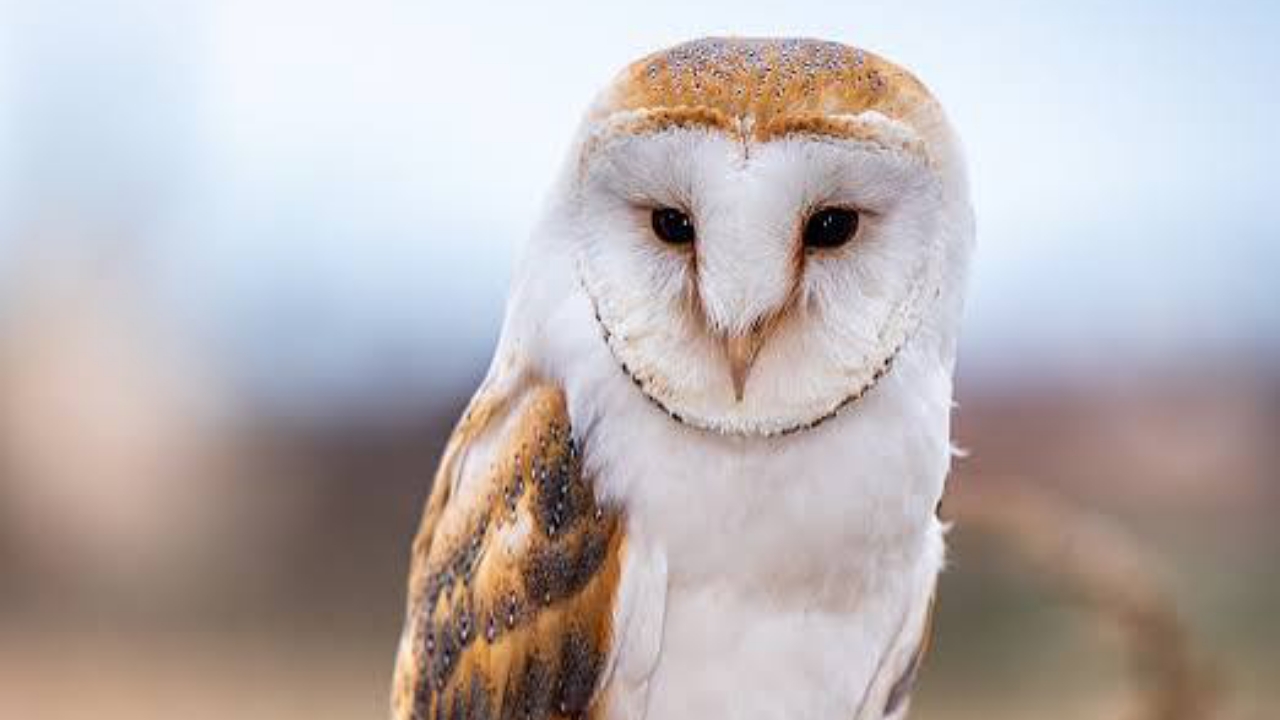
Owls are widely known for their sharp hunting skills and mysterious nighttime presence, but scientists say one of their most fascinating features is hidden inside their heads.
Unlike most animals, owls do not have round eyeballs. Instead, they possess elongated, tube-shaped eye structures that are fixed firmly within their skulls.
This unique adaptation helps explain why owls turn their heads dramatically to observe their surroundings.
Researchers and wildlife experts studying nocturnal birds explain that the structure of owl eyes answers key questions about who is affected, what makes owls different, when this adaptation developed, where it benefits the birds, why it exists, and how it improves their hunting ability.
Owls evolved these tubular eyes over millions of years to improve their vision in low-light conditions.
Because the eyes are elongated rather than spherical, they cannot rotate within the sockets like human eyes.
As a result, owls must rotate their heads to change their field of vision.
Scientists say this is why many owl species can turn their heads up to 270 degrees, allowing them to scan wide areas without moving their bodies.
The eye tubes also allow owls to gather more light, making their night vision extremely powerful.
This adaptation is crucial for hunting prey such as rodents, insects, and small birds after sunset.
By concentrating light onto the retina, the tubular eye shape enables owls to see clearly even in dim forest environments or moonlit fields.
Wildlife researchers note that the fixed eye structure also explains the large, forward-facing eyes commonly seen in owls.
These eyes give them excellent depth perception, helping them judge distance accurately while swooping down on prey.
Experts say the combination of immovable eyes, flexible neck bones, and advanced night vision has made owls among the most effective nocturnal predators in the world.
Understanding these anatomical features also helps conservationists explain owl behavior and educate the public about bird evolution.
Scientists continue to study owls to learn more about how their eye structures influence hunting, survival, and adaptation in changing ecosystems.
Now, you know.
National News