By Our Correspondent
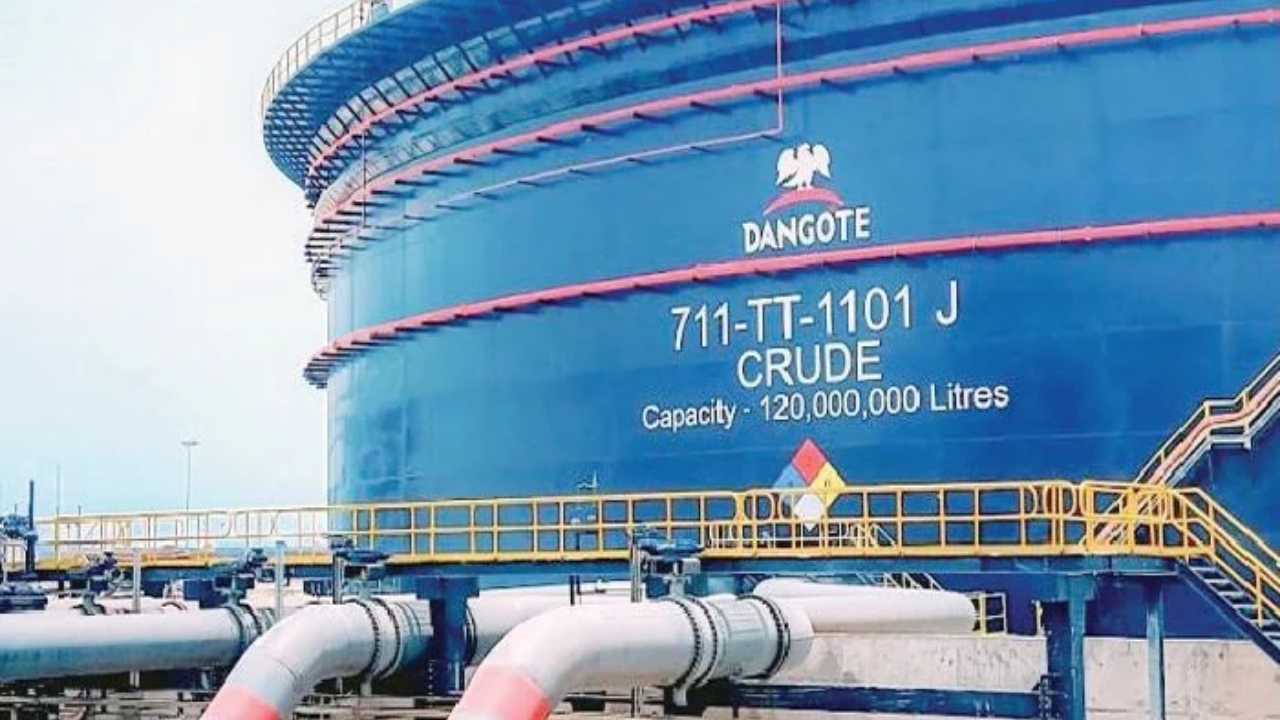
National News – The legal battle between the Dangote Petroleum Refinery and Nigerian National Petroleum Company Limited has intensified over fuel importation and control of Nigeria’s downstream petroleum sector.
The dispute centers on whether fuel import licences should continue despite claims that local refining can meet national demand.
The NNPC told the Federal High Court in Lagos that petroleum products from the Dangote refinery are sold at fluctuating and relatively high prices.
The company warned that stopping fuel imports could create monopoly control, threaten energy security, and expose Nigerians to supply shortages and unstable prices.
Dangote refinery had challenged the Nigerian Midstream and Downstream Petroleum Regulatory Authority over the approval of petrol import licences to marketers and oil companies.
The refinery argued that the licences undermine its massive investment and weaken efforts to promote local refining in Nigeria.
According to court documents, the NNPC maintained that Dangote refinery had not provided independent proof that it can fully satisfy Nigeria’s daily fuel demand nationwide.
The oil company also stressed that fuel supply involves refining, transportation, storage, logistics, and nationwide distribution.
The state-owned oil company further argued that relying on one supplier could trigger serious disruptions if refinery operations experience shutdowns or technical problems.
It insisted that import licences remain necessary to maintain market competition, price stability, and uninterrupted fuel availability across the country.
Meanwhile, the Petroleum Products Retail Outlet Owners Association of Nigeria backed the NNPC’s position.
The association said healthy competition in the downstream sector would help moderate fuel prices, improve efficiency, and prevent exploitation of consumers.
The court case marks another major confrontation between Dangote refinery and government oil agencies since fuel subsidy removal reshaped Nigeria’s petroleum market in 2023.
Industry stakeholders remain divided over whether Nigeria should prioritise local refining or sustain multiple fuel import channels.