By Our Correspondent
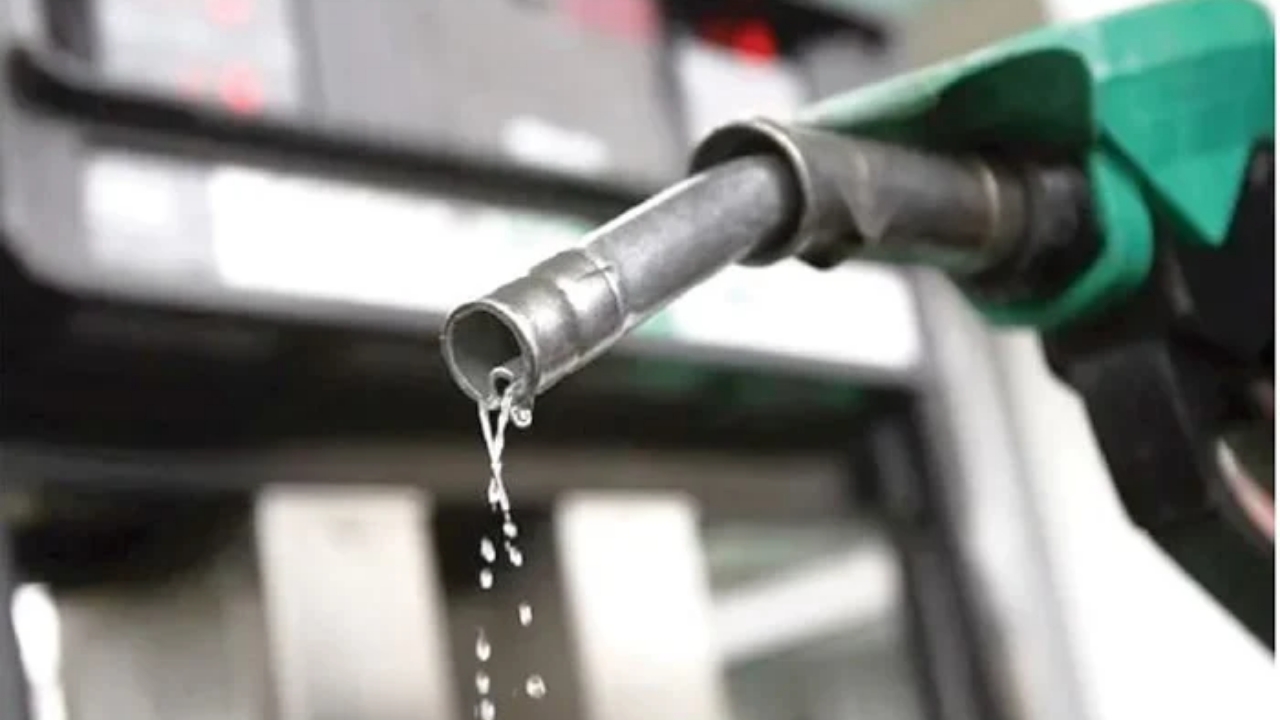
National News – The government of South Africa on Tuesday announced a temporary reduction in fuel tax to cushion the impact of soaring global oil prices, even as motorists brace for one of the steepest fuel price hikes in recent years.
The measure was confirmed in a joint statement by the country’s finance ministry and energy authorities, explaining that the tax relief will last for one month while global market pressures remain high.
The decision comes as international oil prices spike following tensions linked to the US–Israel war against Iran, which disrupted tanker shipping routes through the Strait of Hormuz—one of the world’s most critical oil transit channels.
The disruption has triggered supply concerns and pushed energy costs higher across global markets.
Under the emergency policy, the general fuel levy will be reduced by three rand (about $0.18) per litre.
Despite this tax cut, diesel prices are expected to rise by more than seven rand per litre, representing an increase of about 40 percent.
Petrol prices will also increase by roughly 15 percent, while paraffin—commonly used by low-income households for cooking, heating, and lighting—will surge by nearly 93 percent.
Officials said the temporary tax reduction will cost the government around six billion rand (approximately $352 million) in lost revenue.
However, authorities plan to offset the loss through adjustments in other areas of the national budget.
Finance Minister Enoch Godongwana admitted that funding the tax relief remains a challenge, telling reporters that the government has yet to determine where the replacement revenue will come from.
The policy decision also reflects political pressure within the governing coalition led by the African National Congress.
The alliance was formed after the country’s 2024 general elections and previously faced internal disagreements over a proposed increase in value-added tax.
While South Africa has so far avoided the widespread fuel shortages seen in some countries, several filling stations briefly ran out of supply as motorists rushed to buy fuel before the price adjustment took effect.
Operators of minibus taxis—one of the nation’s main public transport systems—have already warned that transport fares may soon increase.
Government officials say further measures are being prepared to support households and key sectors affected by the rising energy costs.