By Our Correspondent
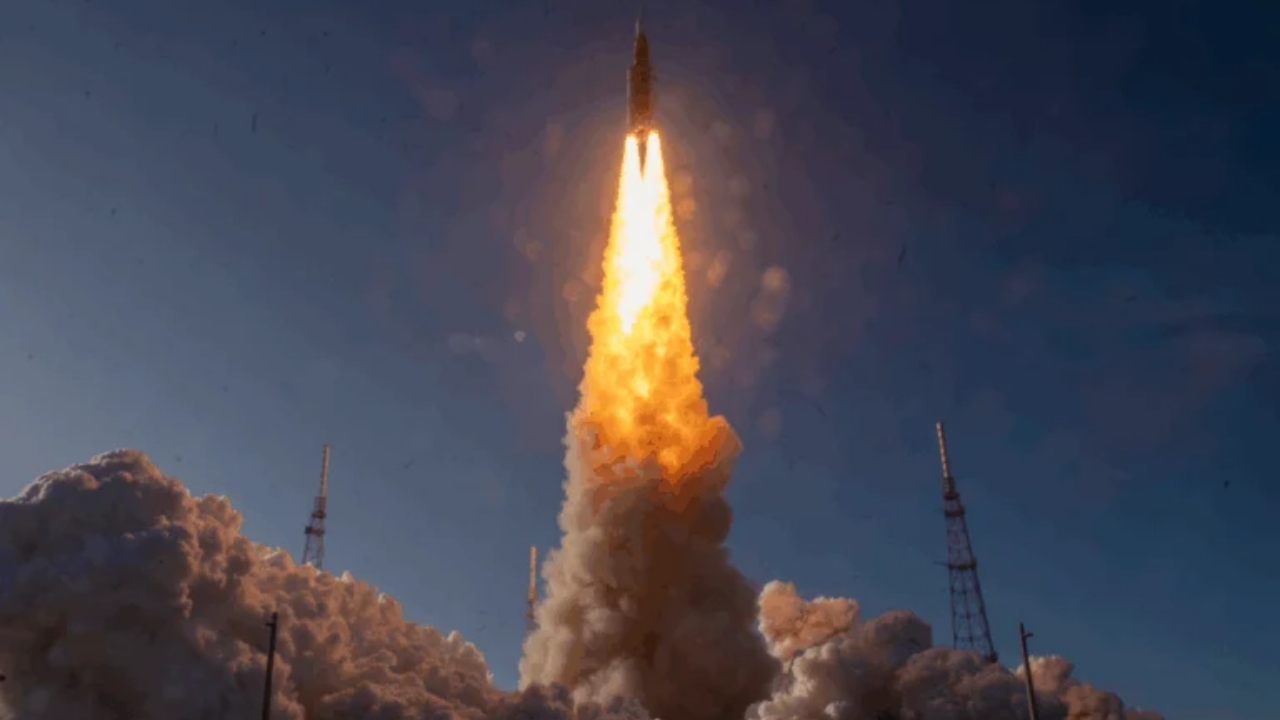
National News – Four astronauts launched into space on Wednesday, April 1, 2026, aboard Artemis II mission, marking the first human journey around the Moon in more than five decades.
The spacecraft blasted off from Kennedy Space Center at approximately 6:35 pm local time.
Organized by NASA, the mission carries three American astronauts and one Canadian on a historic lunar flyby designed to prepare for a future Moon landing planned for 2028.
The crew includes mission commander Reid Wiseman, pilot Victor Glover, mission specialist Christina Koch, and Canadian astronaut Jeremy Hansen.
Shortly after launch, the astronauts entered orbit around Earth to perform safety checks and system tests on the spacecraft, including proximity operations that simulate docking with a lunar lander.
According to NASA officials, the astronauts will remain in Earth orbit temporarily while engineers verify the performance of the spacecraft, including its navigation, communications systems, and life-support equipment.
Minor technical issues were reported early in the mission, including a temporary communication glitch and a controller issue with the onboard toilet system, but both were resolved quickly.
If all systems continue to function normally, the crew is expected to depart Earth orbit on Thursday for a three-day journey toward the Moon.
The mission will loop around the lunar surface before returning to Earth, completing a roughly 10-day mission that will capture new images of the Moon and provide vital data for future lunar landings.
The launch represents the first crewed test flight of NASA’s powerful Space Launch System rocket and the Orion spacecraft designed for deep-space exploration.
The mission also breaks several records, sending the first woman, the first person of color, and the first non-American astronaut on a lunar mission.
Space experts say the flight is a major step toward establishing a long-term human presence on the Moon and advancing global space exploration.