By Our Correspondent
National News – The Federal Government of Nigeria has announced plans to seek cheaper funding and stronger global financial support as it prepares for the 2026 IMF and World Bank Spring Meetings in Washington, DC.
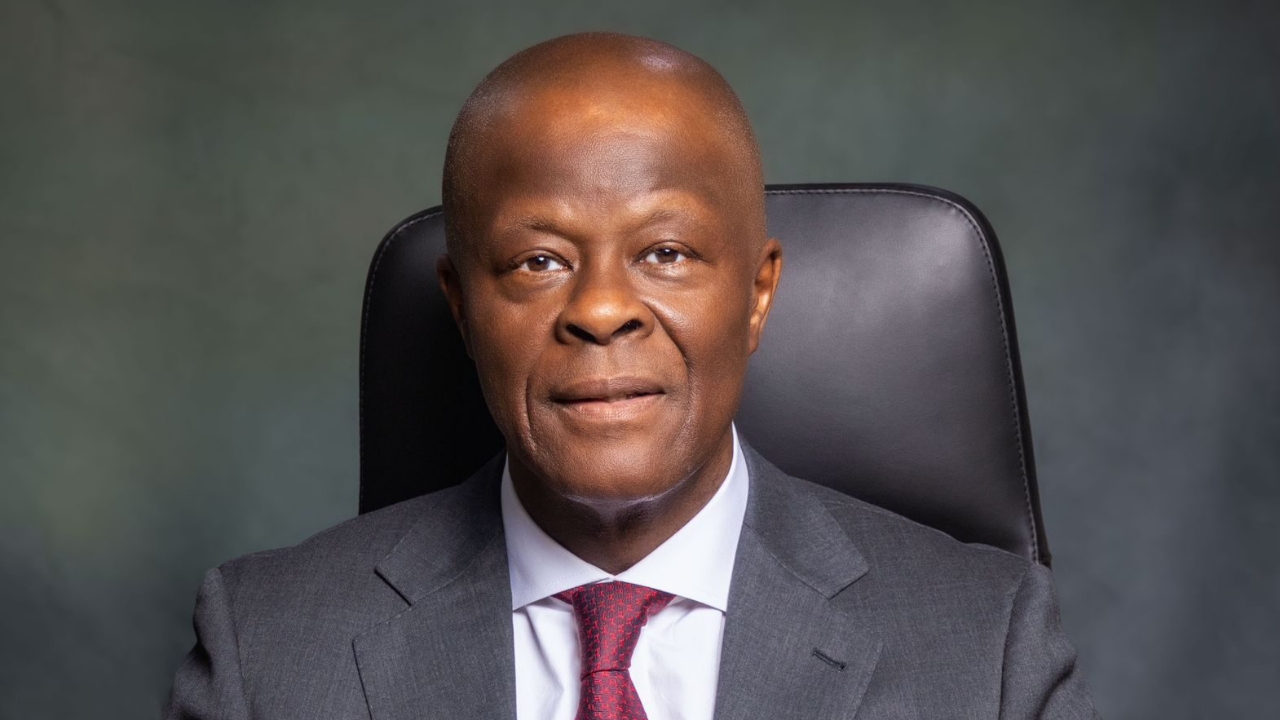
The Minister of Finance and Coordinating Minister of the Economy, Wale Edun, is expected to lead discussions with global financial institutions, investors, and ratings agencies.
The move comes as Nigeria faces economic pressure driven by rising global energy prices, tightening financial conditions, and inflation triggered by geopolitical tensions, including the US–Israel–Iran conflict.
Officials said the government aims to secure lower cost of capital, improve fiscal stability, and attract investment to support growth.
The strategy also focuses on strengthening investor confidence and easing pressure on households affected by rising fuel and food costs.
The announcement highlights how external shocks are reshaping Nigeria’s economic outlook, with government officials warning that global instability is increasing import costs, freight charges, and capital outflows.
According to the statement, crude oil prices have surged significantly, with Bonny Light rising above $110 per barrel, creating both opportunities and risks for fiscal planning.
While higher oil earnings could boost foreign exchange inflows, authorities say domestic inflation remains a major concern, especially as petrol and diesel prices continue to rise.
The government noted that reforms such as fuel subsidy removal, foreign exchange liberalisation, and improved oil production levels are part of efforts to stabilise the economy ahead of the Washington meetings, where Nigeria will push for fairer global financial conditions and increased development support.
Officials further stated that Minister Wale Edun will engage multilateral lenders, private investors, and development partners during the Spring Meetings in Washington, DC, to strengthen Nigeria’s macroeconomic position.
The discussions will focus on unlocking private capital, expanding domestic financial markets, and supporting job-creating growth.
Government hopes these engagements will reinforce policy credibility and position Nigeria as a resilient frontier market despite global uncertainty.
Authorities added that sustained reforms will be critical to long-term stability and poverty reduction across the country.