By Our Correspondent
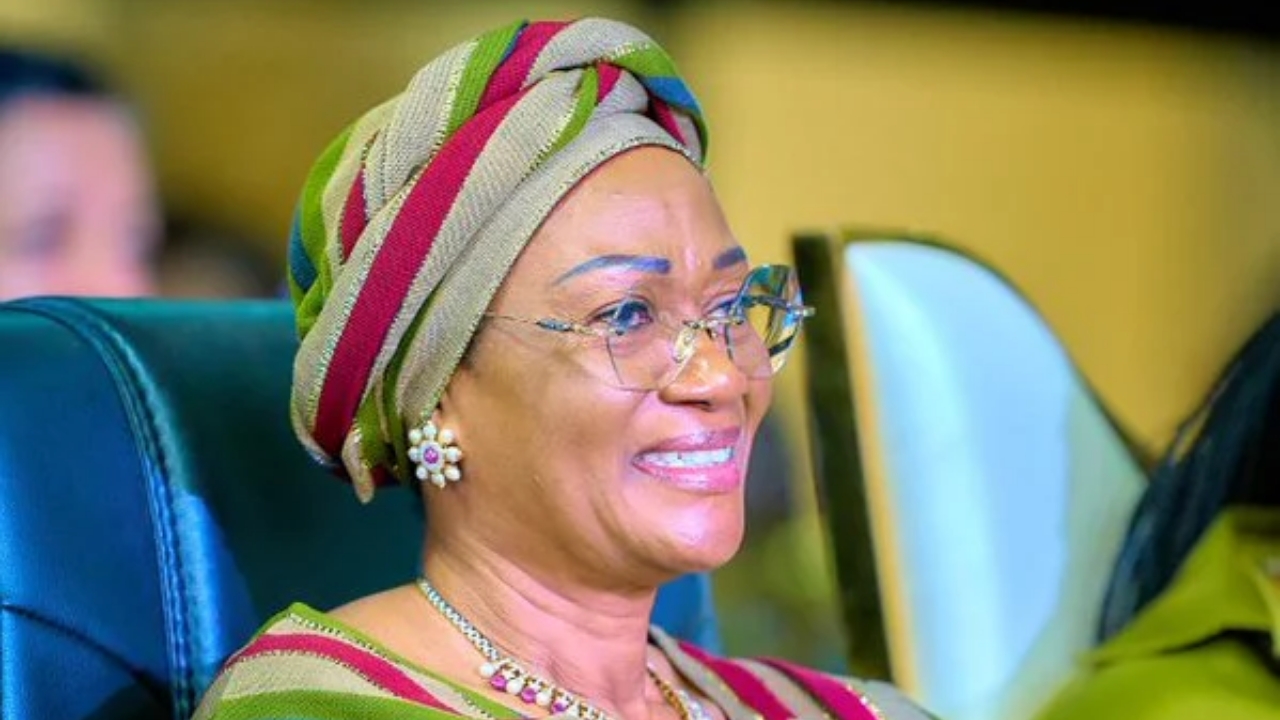
National News — Nigeria’s First Lady, Oluremi Tinubu, on Thursday launched the National Community Food Bank Programme in Abuja, attracting financial commitments exceeding N66bn from government and private sector leaders.
The initiative, unveiled at the State House Conference Centre, aims to tackle hunger and malnutrition across Nigeria by supporting vulnerable households with nutritious food supplies.
The programme received major pledges from key institutions and philanthropists.
The Aliko Dangote Foundation committed N20bn worth of fortified food products over the next five years, while the Nigerian National Petroleum Company Limited pledged N10bn within the same period to strengthen the initiative.
Nigeria’s Coordinating Minister of Health and Social Welfare, Ali Pate, who delivered the keynote address, announced that President Bola Tinubu had already approved a special N17bn intervention through the Social Action Fund to support the food bank.
According to him, the fund will enable community-based procurement of locally produced food in wards and local government areas nationwide.
Pate explained that the government is also seeking support from the country’s 36 state governors.
If each state contributes N500m, the initiative will receive an additional N18bn, raising the total fund to more than N66bn.
The Chairman of the Nigeria Governors’ Forum and Governor of Kwara State, AbdulRahman AbdulRazaq, said governors were ready to collaborate with the Federal Government and would consider providing counterpart funding.
Other donations included N500m from the Sir Emeka Offor Foundation and $500,000 from anonymous associates of the First Lady.
The National Community Food Bank Programme will establish community food banks in every local government area and link them with primary health care centres supported by the Basic Health Care Provision Fund.
The initiative will distribute locally sourced food through a voucher system to malnourished children under six, pregnant and nursing mothers, orphans, and other vulnerable households.
According to Pate, the programme addresses Nigeria’s rising food insecurity and malnutrition, which contribute significantly to child mortality and poor health outcomes.
By focusing on community distribution and local procurement, the government hopes to improve nutrition, stimulate local food production, and reduce hunger nationwide.