By Our Correspondent
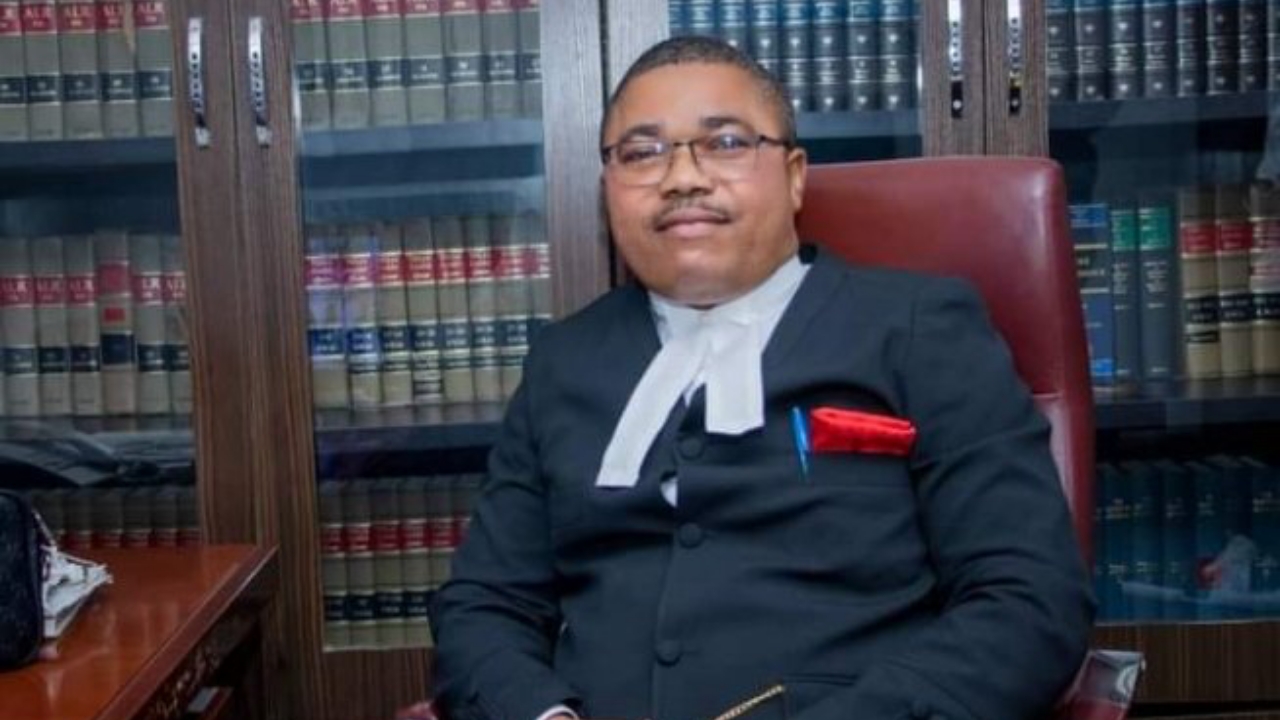
National News – Human rights lawyer Ifeanyi Ejiofor has criticised the Federal Government’s proposed terrorist rehabilitation and reintegration initiative, describing it as morally troubling and legally questionable.
The senior lawyer, who previously served as counsel for the Indigenous People of Biafra, raised the concerns in a statement released on Tuesday, warning that granting rehabilitation and possible amnesty to violent insurgents risks undermining justice for victims and fallen security personnel.
Ejiofor spoke out after defence authorities suggested that violent non-state actors who surrender should be accepted by the government, rehabilitated, and later reintegrated into society.
According to him, the policy—though presented as humanitarian—raises serious questions about who benefits, what justice is served, when reconciliation should occur, where reintegration happens, why such mercy is extended, and how it may affect national security efforts.
The lawyer argued that while rehabilitation programmes are often framed as part of conflict resolution strategies, Nigeria must carefully consider their impact on communities devastated by terrorism.
He warned that welcoming former fighters back into society without adequate accountability could weaken public trust in the justice system.
Explaining his concerns, Ejiofor recounted a deeply personal incident involving his driver whose son, a soldier deployed to Katsina State, was recently killed by bandits.
The grieving father, he said, received the devastating news directly from military authorities.
The tragedy, Ejiofor noted, illustrates the painful contradictions in a policy that might one day reintegrate the same perpetrators responsible for such killings.
He emphasised that terrorist groups such as Boko Haram and armed bandit networks have caused widespread destruction, killing civilians, burning homes, and displacing communities across Nigeria.
Allowing offenders to rejoin society without clear justice mechanisms, he argued, risks blurring the line between compassion and impunity.
According to Ejiofor, a nation must balance mercy with accountability. While redemption and rehabilitation are important humanitarian ideals, they should not diminish the sacrifices of soldiers who died protecting the country.
He concluded that unless Nigeria develops a principled and consistent approach to counterterrorism—one that honours victims and enforces justice—the country’s fight against terrorism may remain unresolved and ineffective.