
Did You Know?
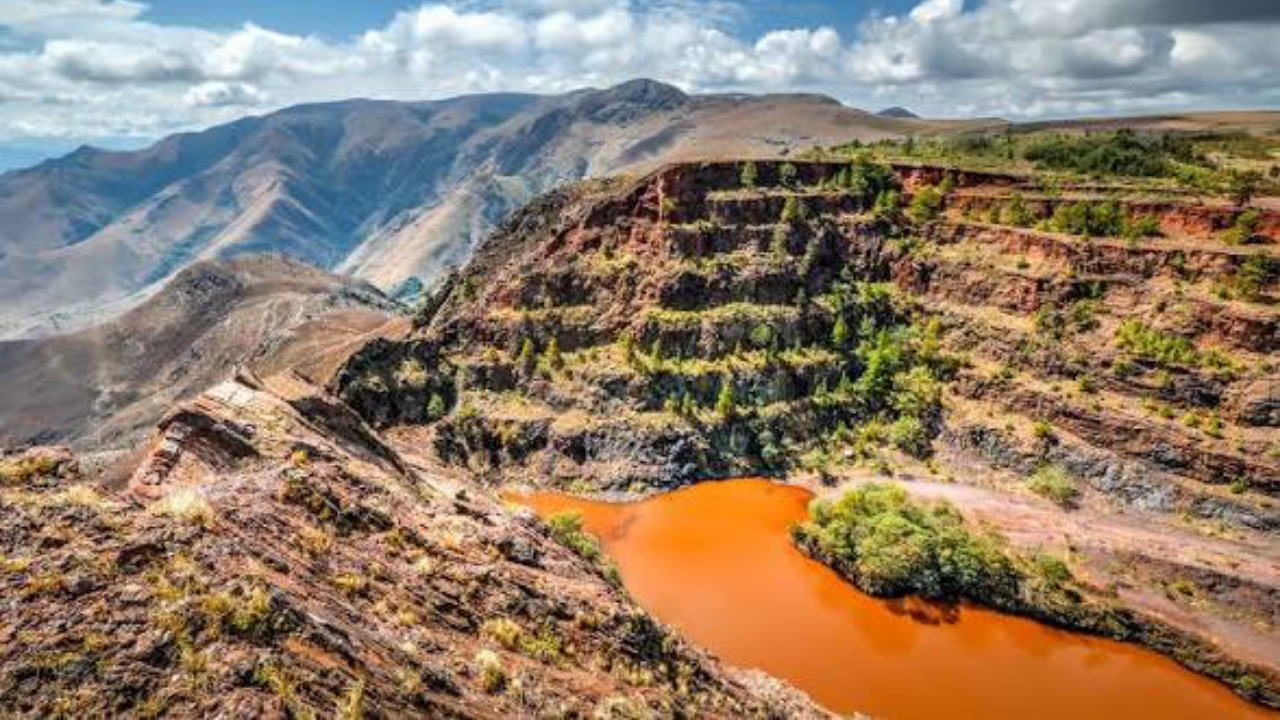
Evidence from the Ngwenya Mountains in Eswatini has revealed one of the earliest known mining activities in human history.
Archaeological findings indicate that prehistoric communities engaged in the extraction of minerals around 43,000 years ago, making the site globally significant in understanding early human innovation and resource use.
The discovery highlights how ancient humans interacted with natural resources long before modern civilisation developed.
Experts say the Ngwenya Mountains mining evidence strengthens Africa’s position as a cradle of early technological development.
The site, located in present-day Eswatini, provides rare archaeological insight into how ancient humans adapted to their environment by sourcing minerals for survival tools.
The findings also show that mining activity was not limited to recent civilisations but existed tens of thousands of years earlier than previously documented.
Historians note that this discovery reshapes the global timeline of resource extraction, showing that early humans were capable of organised material gathering and basic engineering skills.
The research continues to attract international attention due to its implications for human evolution, innovation, and prehistoric economy.
Scholars believe further excavation could reveal additional evidence of early mining networks across Southern Africa, strengthening the historical importance of Ngwenya as the world’s oldest known mine site.
This landmark discovery continues to influence archaeological studies worldwide and remains a key reference point in prehistoric mining research.
It underscores the importance of preserving heritage sites like Ngwenya for future scientific investigation and education.
Findings highlight continuous human ingenuity in resource utilisation across ancient Africa.
Now, you know.
National News