By Our Correspondent
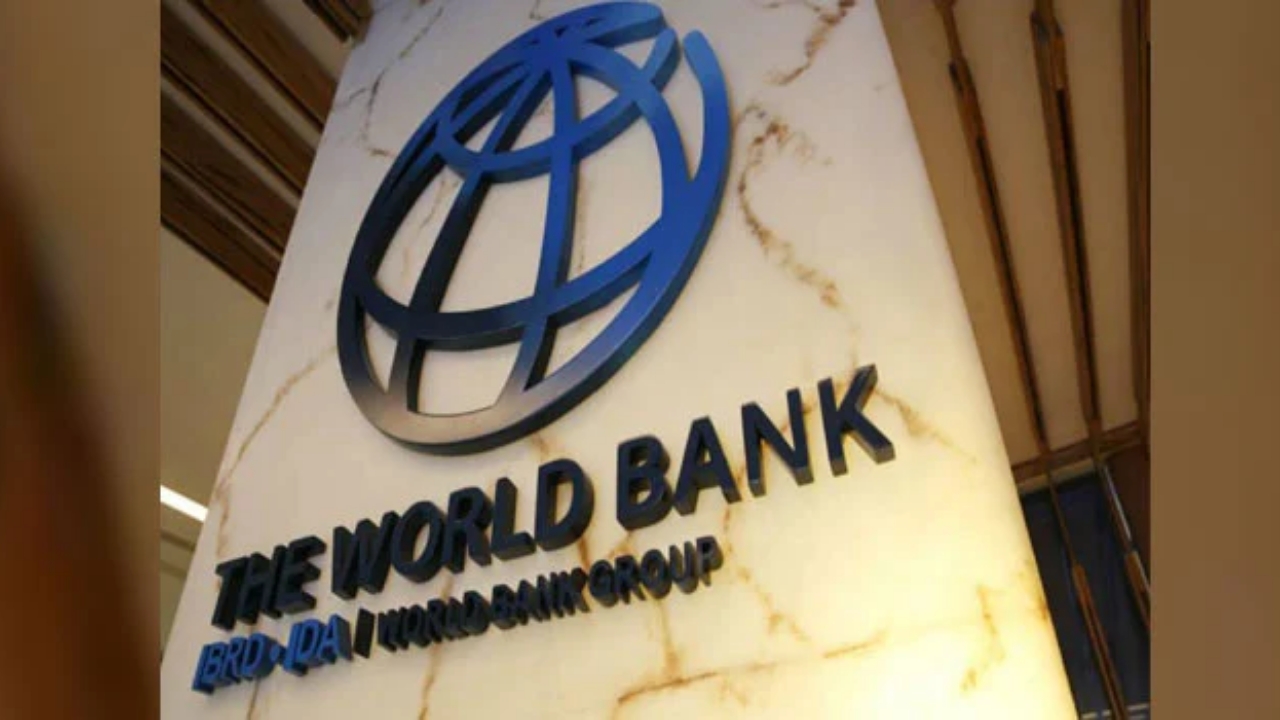
National News – The World Bank has approved a $500 million credit through its International Development Association to support Nigeria’s agricultural sector.
The funding is earmarked for the Nigeria Sustainable Agricultural Value Chains for Growth Project, also called AGROW, which aims to enhance smallholder farmers’ productivity, strengthen value chains, and improve food security nationwide.
Announced on March 30, 2026, the six-year project (2026–2032) targets agribusinesses sourcing from smallholder farmers and seeks to create jobs while improving nutrition.
According to the World Bank, agriculture remains Nigeria’s largest employer, yet low productivity, climate shocks, and weak market linkages hinder growth.
AGROW will provide a results-based matching grant facility to support aggregation, post-harvest handling, agro-processing, and market access, prioritizing crops like rice, maize, cassava, and soybeans.
The project will also expand access to improved and climate-resilient seeds, strengthen agricultural research and extension services, and establish a national digital farm and farmer registry.
Farmers will benefit from digital advisory services, including localized weather and climate updates to boost productivity and resilience.
Additionally, AGROW aims to enhance seed and fertilizer regulatory systems, promote private sector participation, and support responsible land-based investments.
Mathew Verghis, World Bank Country Director for Nigeria, described the initiative as transformative.
“AGROW empowers smallholder farmers, attracts private investment, increases yields, and ensures food and nutrition security across participating states,” he said.
The project is expected to benefit one million smallholder farmers and mobilize $220 million in additional private agribusiness investment.
The programme aligns with Nigeria’s priorities to transition smallholder farming into commercially viable agribusinesses while addressing food insecurity.
Nigeria’s current exposure to the World Bank Group stands at $19.54 billion, representing over 40% of the country’s external debt.
The AGROW project demonstrates the government’s commitment to sustainable agricultural growth and climate resilience.