By Our Correspondent
National News – Iran has denied holding negotiations with the United States or responding to a reported 15-point peace proposal meant to end the ongoing war involving Tehran, Washington and Israel.
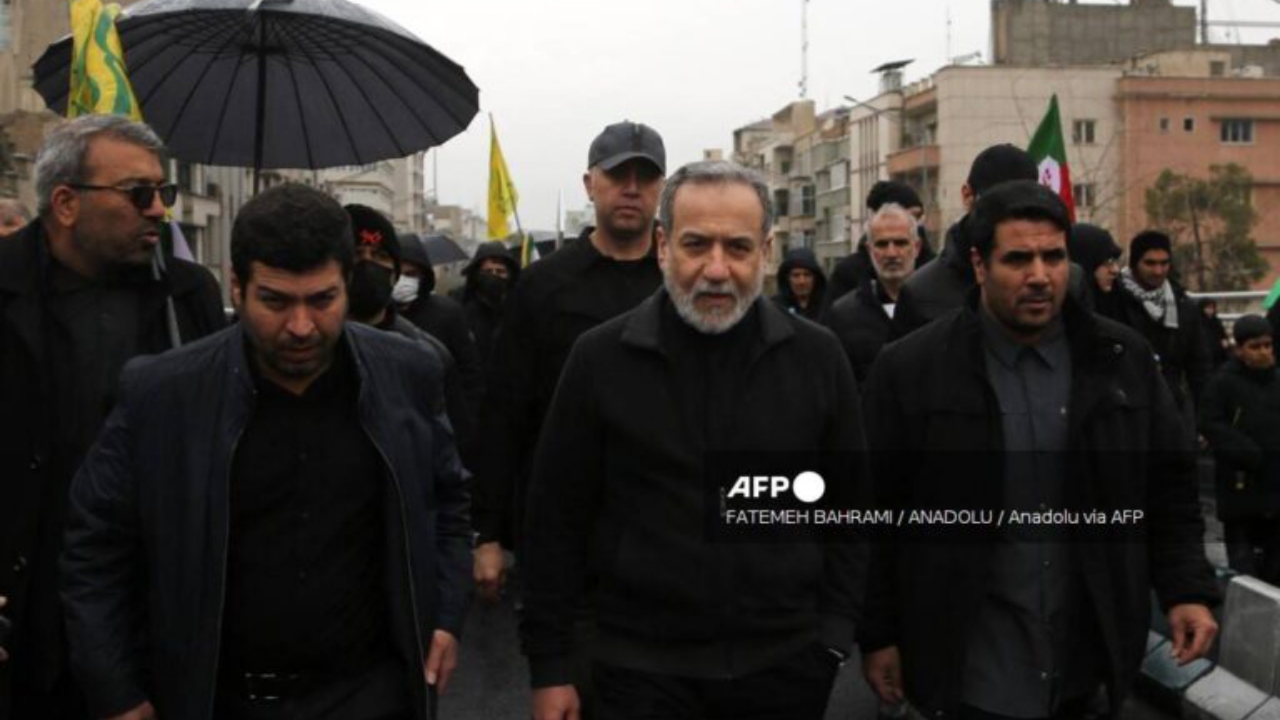
Iranian Foreign Minister Abbas Araghchi made the statement on Wednesday during an interview aired by Al Jazeera, saying Tehran had not formally replied to the proposal reportedly sent through diplomatic channels.
The war, which began on February 28, 2026, escalated after strikes reportedly killed Iran’s supreme leader and sparked a wider regional conflict.
Araghchi explained that although Iran occasionally receives messages from the United States—sometimes directly and sometimes through intermediaries in the Middle East—there are currently no official negotiations between both sides.
According to him, the Iranian government sees no basis for talks while the conflict continues.
The minister’s remarks come amid growing diplomatic efforts by countries including Turkey, Egypt and Pakistan to broker peace between the warring parties.
Reports from Pakistani officials recently suggested that Islamabad passed a 15-point US proposal to Iran aimed at halting hostilities and restoring stability in the region.
Some Iranian media outlets had also claimed that Tehran prepared a five-point counterproposal, demanding an end to what it described as aggression and guarantees that neither the United States nor Israel would resume attacks.
However, Araghchi dismissed those reports, stating that the alleged response from Iran was speculation and not an official position of the government.
The Iranian foreign minister further stressed that trust between Tehran and Washington remains extremely low, insisting that Iran would not accept a temporary ceasefire.
Instead, he said Iran wants a complete end to the war and compensation for damages caused by the attacks.
The war erupted while Iran and the United States were already engaged in negotiations over Tehran’s nuclear programme, complicating diplomatic relations even further.
Meanwhile, the conflict has disrupted global energy markets as Iran has restricted shipping through the Strait of Hormuz, a strategic passage that normally handles about 20 percent of the world’s oil supply.
Iran says the waterway remains closed to what it calls “enemy vessels,” raising concerns about global oil trade.
Tensions have also intensified following reports that the United States deployed the USS Tripoli, an amphibious assault ship carrying about 3,500 Marines and sailors, to the region.
Araghchi warned that if a ground invasion is attempted, US forces would suffer heavy losses.